CyberSecurity Summary · August 22 · 21 min
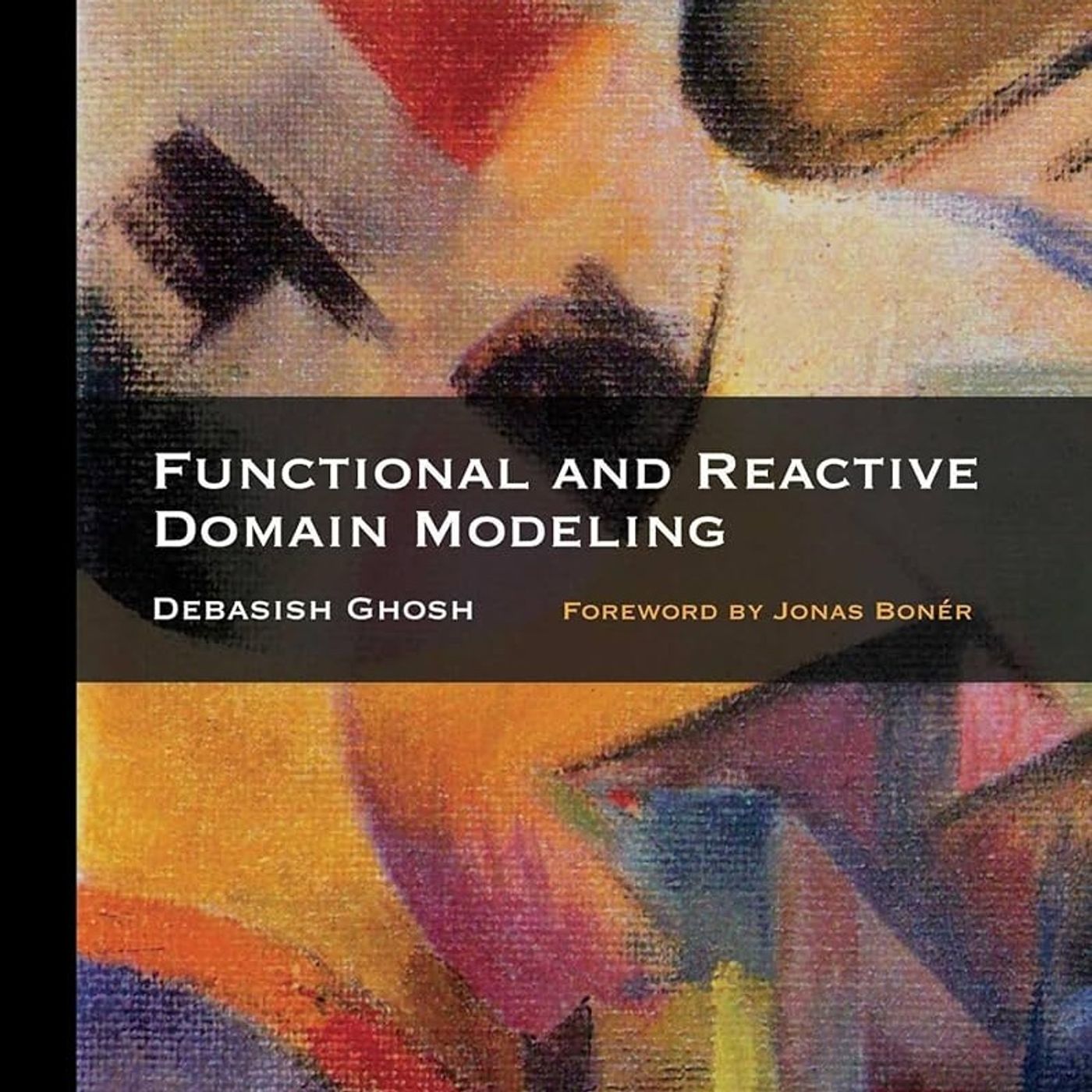
Functional and Reactive Domain Modeling
0:00-21:19
transcript
show notes
Introduces functional and reactive domain modeling, illustrating how to manage complex business requirements through a synergy of programming paradigms. It contrasts traditional object-oriented approaches with a functional perspective, where domain states are modeled as algebraic data types and behaviors are implemented as pure, referentially transparent functions. By decoupling state from behavior, the text argues that developers can achieve better modularity, compositionality, and equational reasoning. The sources also define the core tenets of domain-driven design (DDD), such as entities, value objects, and bounded contexts, while integrating them with reactive principles. This combination ensures systems are responsive, resilient, and elastic by utilizing asynchronous message passing and non-blocking constructs like futures and actors. Ultimately, the text highlights event-driven programming as a method to handle system failures and varying loads effectively. By treating domain events as immutable facts, the model maintains a clear history of state changes while improving overall system performance.
You can listen and download our episodes for free on more than 10 different platforms:
https://linktr.ee/cyber_security_summary
Get the Book now from Amazon:
https://www.amazon.com/dp/1617292249?lv=shuf&channelId=500&plpRedirect=mhFallback&linkCode=ll2&tag=cvthunderx-20&linkId=4e8dcf6dd02292ac20f166065e796a80&language=en_US&ref_=as_li_ss_tl
Discover our free courses in tech and cybersecurity, Start learning today:
https://linktr.ee/cybercode_academy
You can listen and download our episodes for free on more than 10 different platforms:
https://linktr.ee/cyber_security_summary
Get the Book now from Amazon:
https://www.amazon.com/dp/1617292249?lv=shuf&channelId=500&plpRedirect=mhFallback&linkCode=ll2&tag=cvthunderx-20&linkId=4e8dcf6dd02292ac20f166065e796a80&language=en_US&ref_=as_li_ss_tl
Discover our free courses in tech and cybersecurity, Start learning today:
https://linktr.ee/cybercode_academy
links3