CyberCode Academy · Wednesday · 22 min
Course 46 - CompTIA Cybersecurity Analyst | Episode 7: Network Footprinting & Mapping
0:00-22:40
transcript
show notes
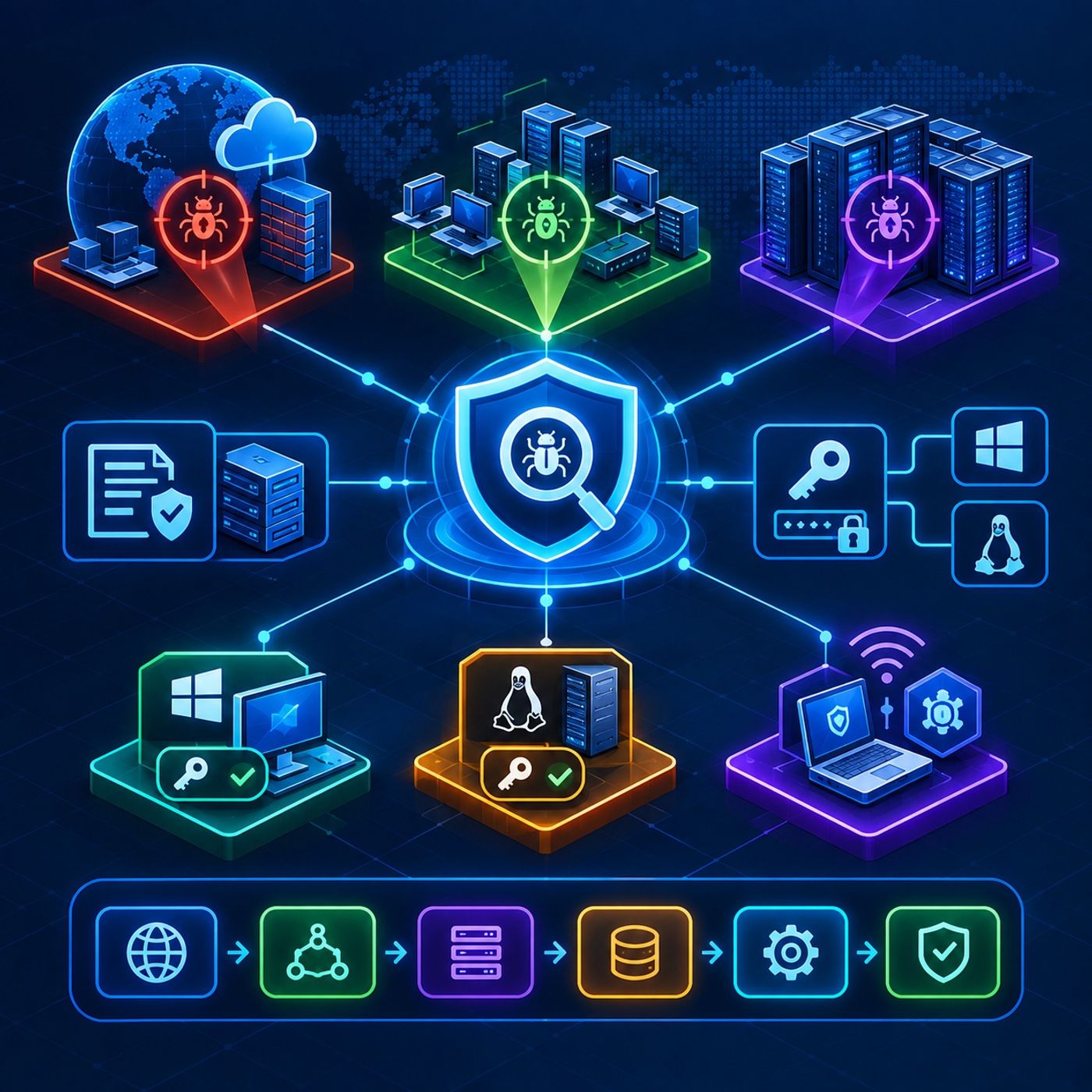
Episode OverviewThis episode explores the foundations of cybersecurity reconnaissance and network mapping, following the process from initial intelligence gathering to active network footprinting and topology visualization.It examines how security professionals identify systems and services, evaluate network boundaries, and build an understanding of complex infrastructure while maintaining clear authorization and scope. The episode also highlights the practical challenges that can limit visibility across traditional networks, wireless environments, virtualized infrastructure, and cloud platforms.Key Topics Covered1. Reconnaissance and Compliance FrameworksThe episode begins with the role of reconnaissance in security assessments and vulnerability management.It examines how internal and external vulnerability scanning can provide visibility into an organization's assets, exposed services, and potential security weaknesses. These activities can also support compliance requirements and security validation efforts, including frameworks such as PCI DSS.The distinction between gathering security intelligence and actively exploiting vulnerabilities is emphasized, reinforcing the importance of controlled and authorized assessment activities.2. Active Network FootprintingThe episode introduces active network discovery techniques used to identify reachable infrastructure and understand the exposed attack surface.Tools such as:
You can listen and download our episodes for free on more than 10 different platforms:
https://linktr.ee/cybercode_academy
- Nmap
- Zenmap
- Nessus
- Qualys
- Active hosts and network devices
- Open and accessible ports
- Running services
- Service and software versions
- Network boundaries and reachable systems
- NIST SP 800-115
- OSSTMM
- Subnets
- Routers
- Hosts
- Network segments
- Security boundaries
- Connected infrastructure
- Firewall ACLs that filter or block discovery traffic
- Wireless networks with unpredictable or changing coverage ranges
- Virtualized servers hidden behind shared or management-facing IP addresses
- Cloud environments where infrastructure visibility may be restricted or abstracted by the provider
- Network segmentation that prevents direct observation of systems in other security zones
- Reconnaissance is a foundational component of cybersecurity assessments.
- Internal and external scanning provide different perspectives on an organization's security exposure.
- Network discovery tools can identify hosts, ports, services, and software versions without requiring exploitation.
- Written authorization and clearly defined scope are essential before conducting active scanning.
- NIST SP 800-115 and OSSTMM provide useful methodological frameworks for structured security assessments.
- Network topology visualization helps security teams understand infrastructure relationships and segmentation.
- Firewalls, wireless networks, virtualization, and cloud architecture can significantly limit network visibility.
- Effective reconnaissance combines technical discovery with careful scoping, validation, and interpretation of results.
You can listen and download our episodes for free on more than 10 different platforms:
https://linktr.ee/cybercode_academy
links1