CyberCode Academy · Yesterday · 22 min
Course 46 - CompTIA Cybersecurity Analyst | Episode 15: Reporting, Prioritization, and Patching
0:00-22:56
transcript
show notes
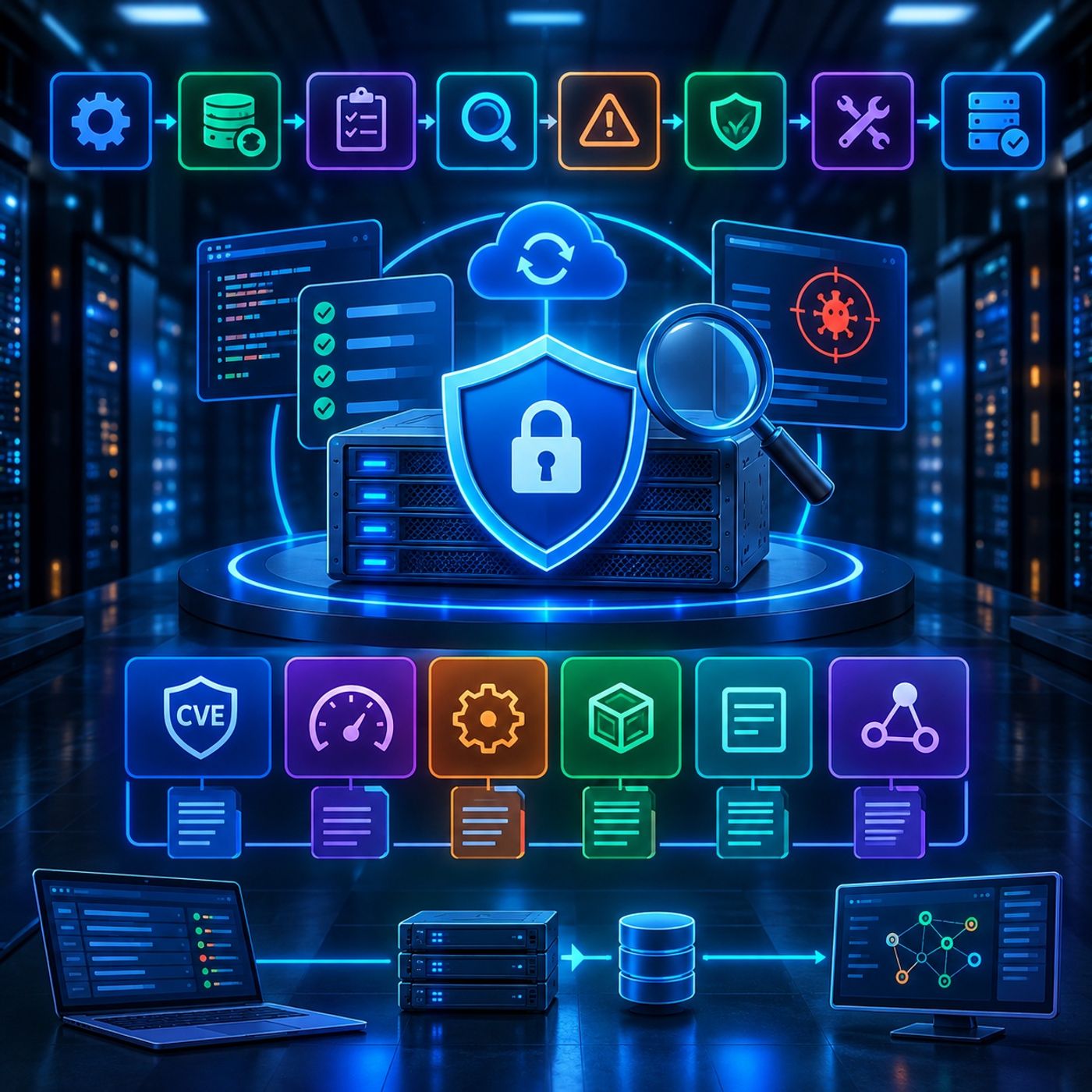
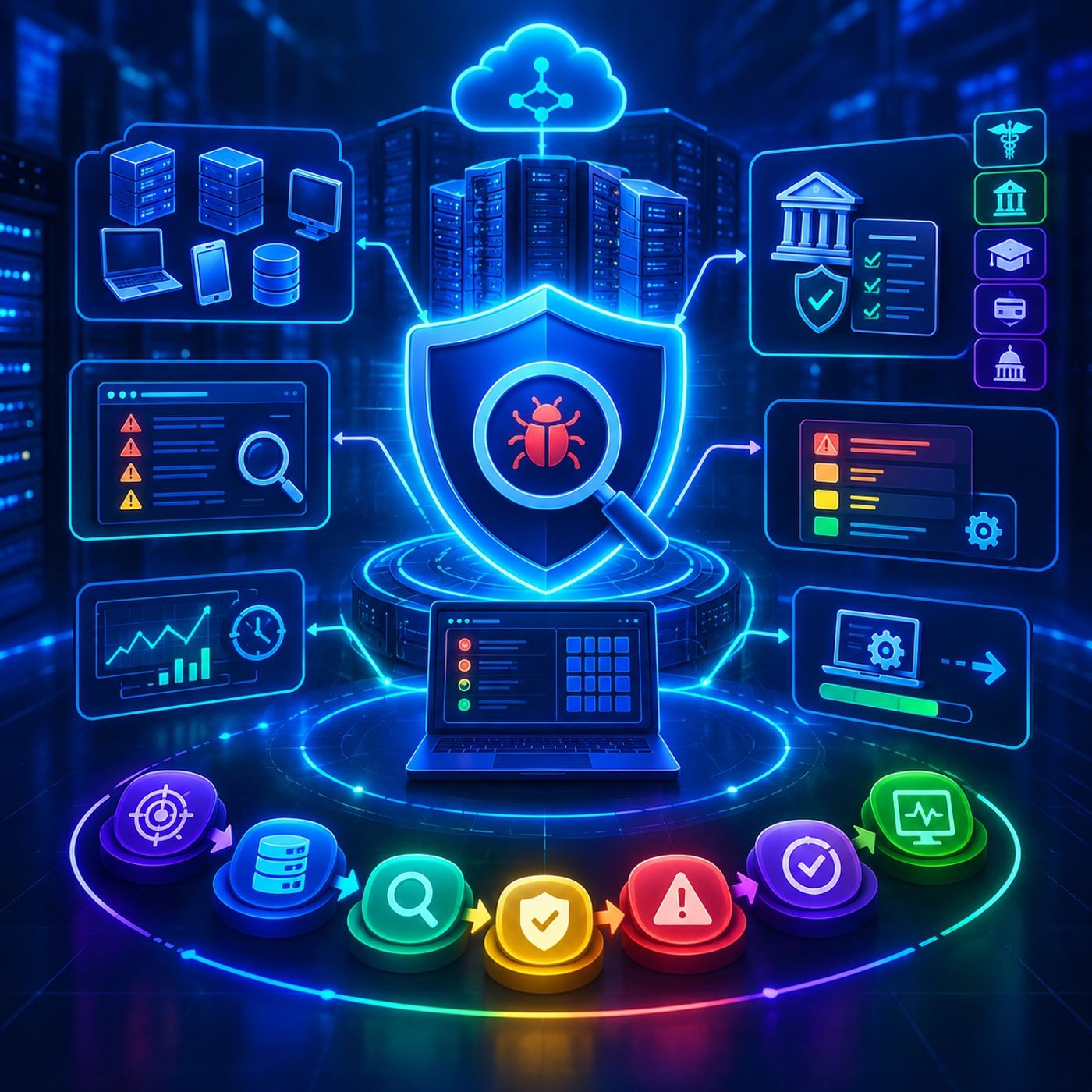
Episode OverviewThis episode explores the end-to-end vulnerability remediation process, following security findings from initial scan results through risk-based prioritization, patch testing, production deployment, and governance.It examines why vulnerability management does not end when a scanner identifies a weakness. Security teams must interpret findings, determine which issues represent the greatest organizational risk, coordinate with system owners, validate remediation strategies, and deploy fixes without unnecessarily disrupting critical business operations.Key Topics Covered1. Vulnerability Reporting and Security MetricsThe episode begins with the analysis of vulnerability-scanning dashboards and reports, using platforms such as Nessus to demonstrate how large volumes of findings can be organized into actionable information.Findings can be grouped according to severity categories such as:
You can listen and download our episodes for free on more than 10 different platforms:
https://linktr.ee/cybercode_academy
- Critical
- High
- Medium
- Low
- Asset criticality
- Internet exposure
- Exploit availability
- Threat intelligence
- Vulnerability prevalence
- Business impact
- Remediation complexity
- Available compensating controls
- Cost and operational effort
- Clear ownership
- Accurate vulnerability information
- Defined remediation deadlines
- Communication of business impact
- Coordinated maintenance windows
- Exception and risk-acceptance procedures
- Verification after remediation
- Application compatibility issues
- Service dependencies
- Unexpected configuration changes
- Performance problems
- Reboot requirements
- Conflicts with existing software
- Vulnerability and affected assets
- Business and security impact
- Proposed remediation
- Testing results
- Implementation procedure
- Maintenance window
- Rollback plan
- Validation steps
- Responsible teams
- Vulnerability reports transform raw scanner findings into actionable security information.
- Grouping findings by severity helps security teams identify urgent issues and affected hosts.
- CVSS provides valuable technical severity information but should not be the only factor determining remediation priority.
- Asset criticality, Internet exposure, exploitability, business impact, and remediation effort should also be considered.
- Resource limitations make risk-based prioritization essential.
- Security analysts and system administrators must collaborate throughout the remediation process.
- Patches should be appropriately tested before production deployment.
- Change-management processes provide governance and help control operational risk.
- SLAs establish measurable expectations for vulnerability remediation.
- Remediation should always be followed by validation and, where appropriate, rescanning to confirm that the vulnerability has actually been addressed.
- Effective vulnerability management ultimately connects technical findings with business risk and controlled operational action.
You can listen and download our episodes for free on more than 10 different platforms:
https://linktr.ee/cybercode_academy
links1