Skip to content
Artwork for CyberCode Academy
CyberCode Academy · Yesterday · 19 min

Course 43 - Practical Malware Development | Episode 2: Building Your Dual-OS Dev Labs

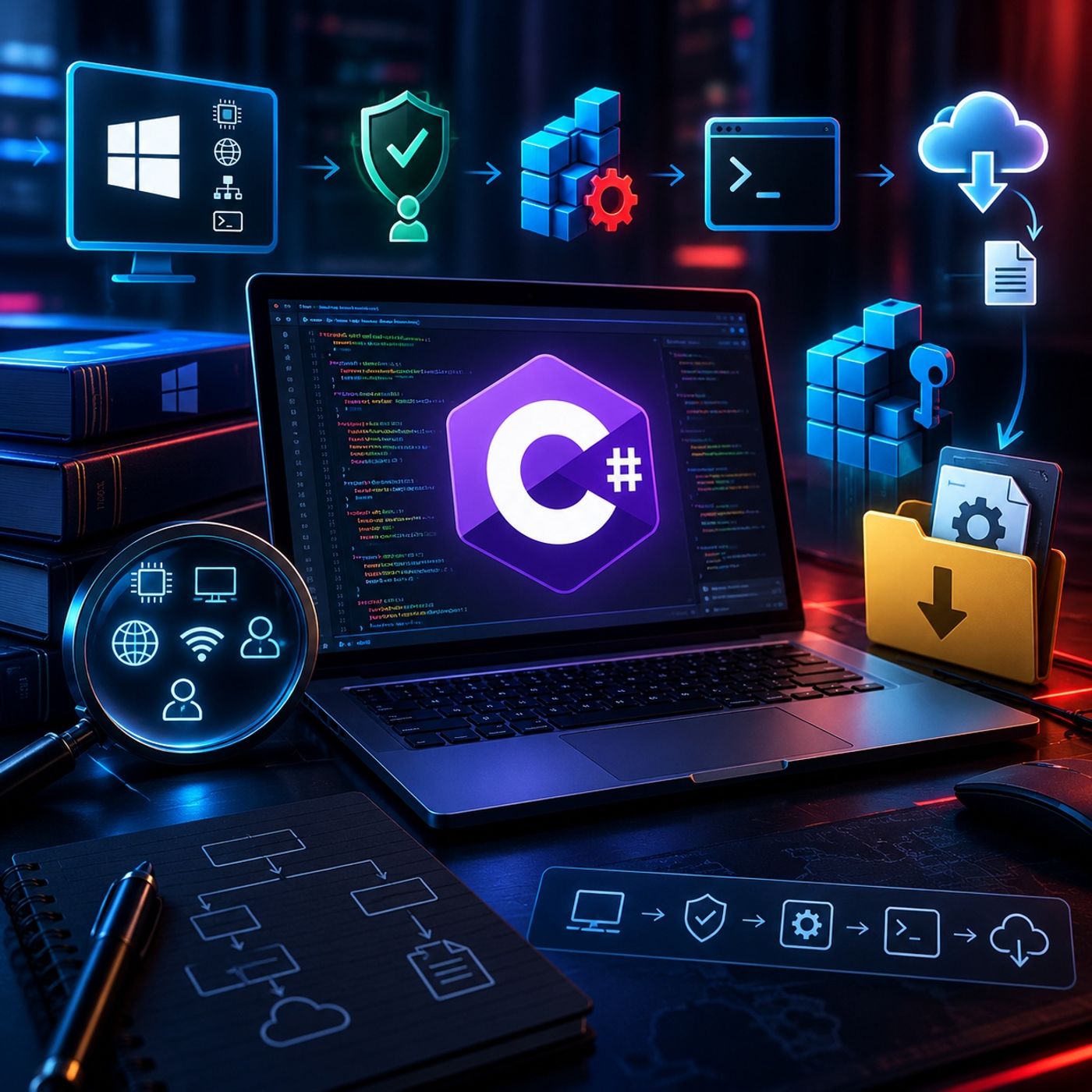
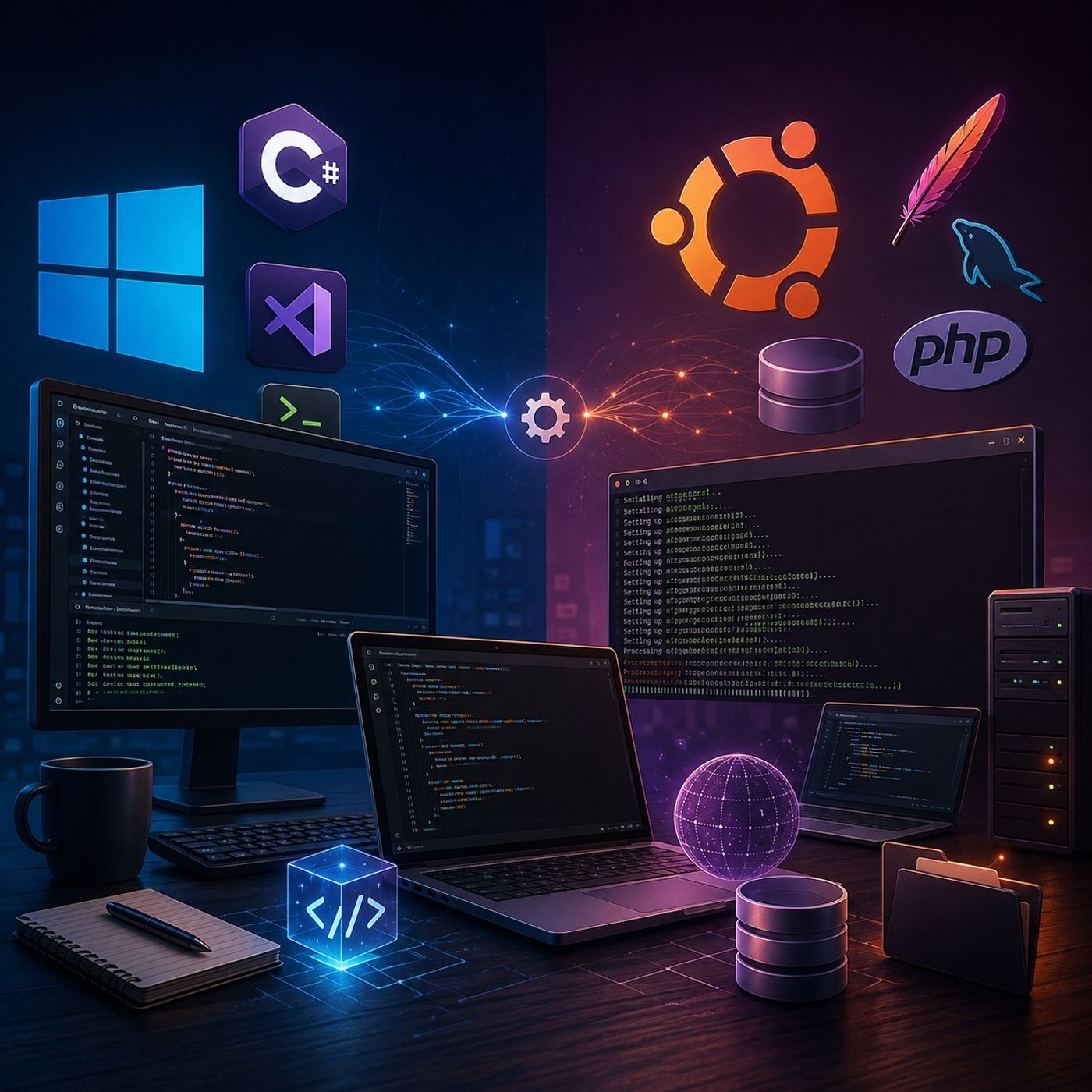
This episode establishes the essential development foundations across Windows and Linux, preparing the workspace for advanced scripting, application development, and future security-focused projects.The episode takes a practical, hands-on approach, configuring a Windows development environment and then building a complete local web and database stack on Ubuntu.1. Configuring the Windows Development EnvironmentThe first part of the episode focuses on preparing Windows for C# and .NET development.The setup includes: Installing .NET Core Installing Visual Studio Code (VS Code) Installing the C# extension for VS Code Creating a dedicated project directory named "Red team develop" Initializing a new console application Using the integrated VS Code terminal Compiling and running a simple "Hello World" application Verifying that the complete development toolchain is functioning correctly This provides a lightweight development environment suitable for building and testing Windows-based applications.2. Building the Ubuntu Web Development StackThe episode then moves to Ubuntu and focuses on establishing a complete local web application environment.The main components installed are: Apache — Web server MySQL — Database server PHP 7.2 — Server-side programming environment PHP database extensions PHP multibyte string extensions Atom — Code editor The installation process is performed primarily through the Ubuntu terminal, providing practical experience with package management and Linux-based development configuration.3. Verifying Background ServicesAfter installation, the episode demonstrates how to verify that the required services are properly configured and running.Particular attention is given to: Checking the Apache service Checking the MySQL service Confirming that services are running in the background Troubleshooting installation or service-related issues Ensuring that the local development stack is ready for application development 4. Configuring the Atom EditorThe final stage involves installing and launching Atom on Ubuntu.The episode demonstrates how to work with the downloaded Debian package and complete the editor installation, providing a graphical development environment for working with web application source code.Final Development EnvironmentBy the end of the episode, the development workspace contains two complementary environments:Windows .NET Core Visual Studio Code C# development support Dedicated application project directory Verified console application Ubuntu Apache web server MySQL database server PHP Required PHP extensions Atom code editor Verified background services Key TakeawaysAfter completing this episode, learners should understand how to: Set up a functional C#/.NET development environment Create and execute a basic console application using VS Code Install development packages on Ubuntu Configure an Apache + MySQL + PHP stack Verify Linux services and their background operation Install and configure a Linux-based code editor Prepare a cross-platform workspace for future development and security exercises The completed environment provides a strong foundation for progressing toward more advanced scripting, web application development, server-side programming, and security-focused development. You can listen and download our episodes for free on more than 10 different platforms: https://linktr.ee/cybercode_academy

0:00-19:44

transcript

No transcript — this publisher did not publish one.

show notes

This episode establishes the essential development foundations across Windows and Linux, preparing the workspace for advanced scripting, application development, and future security-focused projects.The episode takes a practical, hands-on approach, configuring a Windows development environment and then building a complete local web and database stack on Ubuntu.1. Configuring the Windows Development EnvironmentThe first part of the episode focuses on preparing Windows for C# and .NET development.The setup includes:
  • Installing .NET Core
  • Installing Visual Studio Code (VS Code)
  • Installing the C# extension for VS Code
  • Creating a dedicated project directory named "Red team develop"
  • Initializing a new console application
  • Using the integrated VS Code terminal
  • Compiling and running a simple "Hello World" application
  • Verifying that the complete development toolchain is functioning correctly
This provides a lightweight development environment suitable for building and testing Windows-based applications.2. Building the Ubuntu Web Development StackThe episode then moves to Ubuntu and focuses on establishing a complete local web application environment.The main components installed are:
  • Apache — Web server
  • MySQL — Database server
  • PHP 7.2 — Server-side programming environment
  • PHP database extensions
  • PHP multibyte string extensions
  • Atom — Code editor
The installation process is performed primarily through the Ubuntu terminal, providing practical experience with package management and Linux-based development configuration.3. Verifying Background ServicesAfter installation, the episode demonstrates how to verify that the required services are properly configured and running.Particular attention is given to:
  • Checking the Apache service
  • Checking the MySQL service
  • Confirming that services are running in the background
  • Troubleshooting installation or service-related issues
  • Ensuring that the local development stack is ready for application development
4. Configuring the Atom EditorThe final stage involves installing and launching Atom on Ubuntu.The episode demonstrates how to work with the downloaded Debian package and complete the editor installation, providing a graphical development environment for working with web application source code.Final Development EnvironmentBy the end of the episode, the development workspace contains two complementary environments:Windows
  • .NET Core
  • Visual Studio Code
  • C# development support
  • Dedicated application project directory
  • Verified console application
Ubuntu
  • Apache web server
  • MySQL database server
  • PHP
  • Required PHP extensions
  • Atom code editor
  • Verified background services
Key TakeawaysAfter completing this episode, learners should understand how to:
  • Set up a functional C#/.NET development environment
  • Create and execute a basic console application using VS Code
  • Install development packages on Ubuntu
  • Configure an Apache + MySQL + PHP stack
  • Verify Linux services and their background operation
  • Install and configure a Linux-based code editor
  • Prepare a cross-platform workspace for future development and security exercises
The completed environment provides a strong foundation for progressing toward more advanced scripting, web application development, server-side programming, and security-focused development.

You can listen and download our episodes for free on more than 10 different platforms:
https://linktr.ee/cybercode_academy
links1