Skip to content
Artwork for CyberCode Academy
CyberCode Academy · Yesterday · 20 min

Course 43 - Practical Malware Development | Episode 1: Building Your Virtual Sandbox

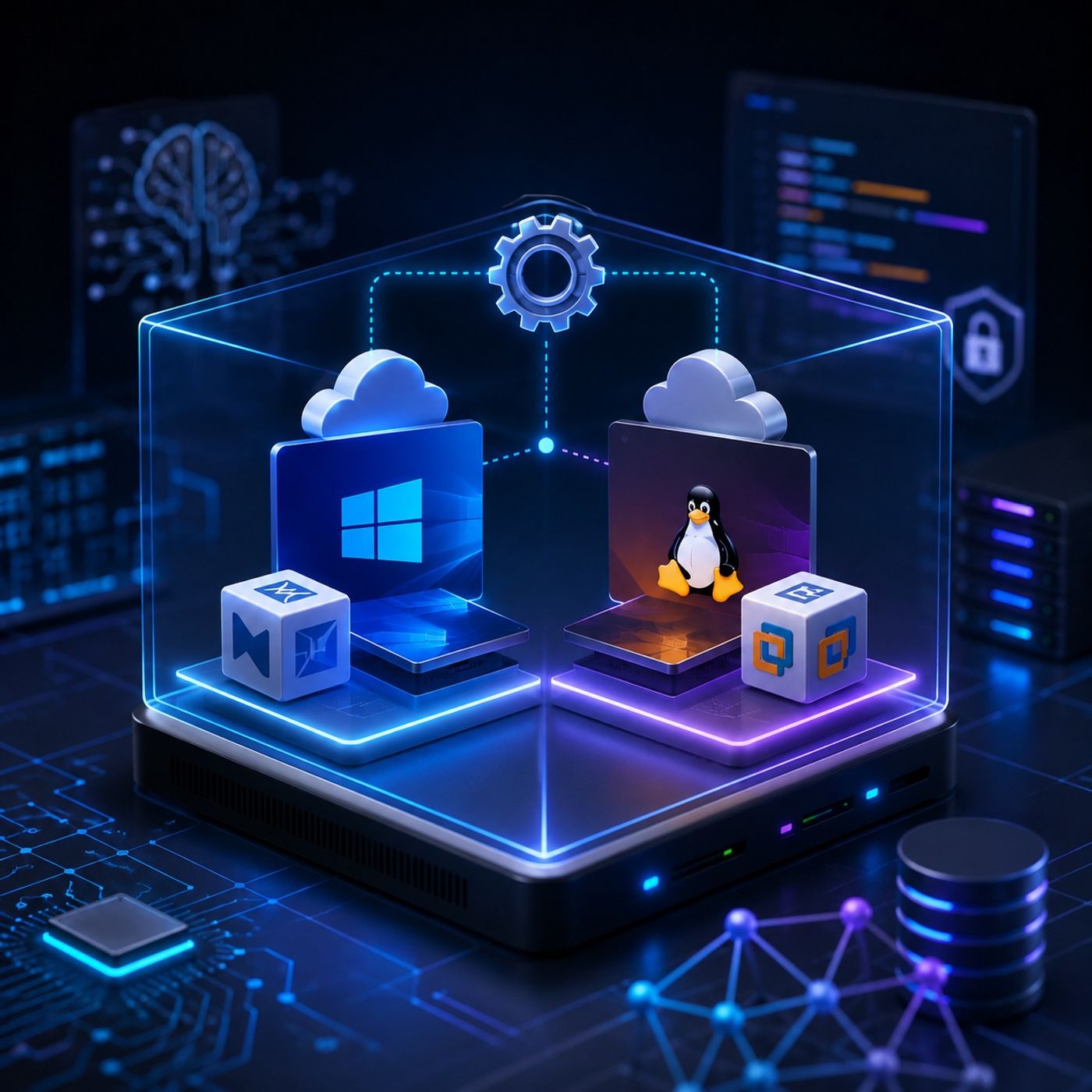
This episode provides a complete, step-by-step guide to building a practical virtual sandbox using VirtualBox or VMware. The goal is to create isolated and reliable Windows and Linux environments that can be used for software development, testing, and server-side application work.1. Preparing the Virtualization EnvironmentThe episode begins by covering the essential software and installation media required to build the lab: Installing VirtualBox or VMware Obtaining the official Windows 10 ISO Obtaining the Ubuntu Linux 18.04 ISO Preparing the host system for virtualization Understanding the basic requirements for running multiple virtual machines 2. Creating and Configuring Virtual MachinesNext, the episode walks through the process of creating the virtual machines and configuring their hardware resources.Key configuration topics include: Allocating sufficient RAM Assigning multiple virtual processors Configuring virtual storage Selecting the appropriate operating-system type Adjusting VM settings for better performance Balancing virtual-machine resources with the host system's available hardware A practical baseline discussed in the episode is at least 3 GB of RAM and four processors for each environment, depending on the capabilities of the host machine.3. Installing Guest Integration ToolsThe episode then focuses on installing the tools required to improve communication between the host and guest operating systems.For VirtualBox, this involves Guest Additions, while VMware uses VMware Tools.These components provide useful integration features such as: Full-screen support Shared clipboard functionality Drag-and-drop integration Improved display and input support Better interaction between the host and guest systems 4. Troubleshooting Tool InstallationInstalling these components is not always straightforward, so the episode also addresses common configuration problems.The walkthrough covers situations such as: Installation options appearing disabled or unavailable Mounting the appropriate installation media Extracting installation packages on Ubuntu Using the Linux terminal Executing installation commands with appropriate superuser privileges Troubleshooting integration-tool installation problems 5. Final Virtual SandboxBy the end of the episode, the lab contains two functional virtual environments:Windows 10 Environment Suitable for Windows application development and testing Configured with appropriate CPU and memory resources Enhanced with virtualization integration tools Ubuntu Linux Environment Optimized for server-side web application development Configured for practical development and testing tasks Integrated with the host system through VMware Tools or Guest Additions Key TakeawaysAfter completing this episode, learners should understand how to: Build a virtual sandbox from scratch Create and configure Windows and Linux virtual machines Allocate CPU and memory resources effectively Install Guest Additions and VMware Tools Enable host-to-guest integration features Troubleshoot common virtualization-tool installation issues Prepare isolated environments for development and testing The result is a flexible virtualization laboratory that can serve as the foundation for future development, testing, cybersecurity, and server-side application exercises. You can listen and download our episodes for free on more than 10 different platforms: https://linktr.ee/cybercode_academy

0:00-20:02

transcript

No transcript — this publisher did not publish one.

show notes

This episode provides a complete, step-by-step guide to building a practical virtual sandbox using VirtualBox or VMware. The goal is to create isolated and reliable Windows and Linux environments that can be used for software development, testing, and server-side application work.1. Preparing the Virtualization EnvironmentThe episode begins by covering the essential software and installation media required to build the lab:
  • Installing VirtualBox or VMware
  • Obtaining the official Windows 10 ISO
  • Obtaining the Ubuntu Linux 18.04 ISO
  • Preparing the host system for virtualization
  • Understanding the basic requirements for running multiple virtual machines
2. Creating and Configuring Virtual MachinesNext, the episode walks through the process of creating the virtual machines and configuring their hardware resources.Key configuration topics include:
  • Allocating sufficient RAM
  • Assigning multiple virtual processors
  • Configuring virtual storage
  • Selecting the appropriate operating-system type
  • Adjusting VM settings for better performance
  • Balancing virtual-machine resources with the host system's available hardware
A practical baseline discussed in the episode is at least 3 GB of RAM and four processors for each environment, depending on the capabilities of the host machine.3. Installing Guest Integration ToolsThe episode then focuses on installing the tools required to improve communication between the host and guest operating systems.For VirtualBox, this involves Guest Additions, while VMware uses VMware Tools.These components provide useful integration features such as:
  • Full-screen support
  • Shared clipboard functionality
  • Drag-and-drop integration
  • Improved display and input support
  • Better interaction between the host and guest systems
4. Troubleshooting Tool InstallationInstalling these components is not always straightforward, so the episode also addresses common configuration problems.The walkthrough covers situations such as:
  • Installation options appearing disabled or unavailable
  • Mounting the appropriate installation media
  • Extracting installation packages on Ubuntu
  • Using the Linux terminal
  • Executing installation commands with appropriate superuser privileges
  • Troubleshooting integration-tool installation problems
5. Final Virtual SandboxBy the end of the episode, the lab contains two functional virtual environments:Windows 10 Environment
  • Suitable for Windows application development and testing
  • Configured with appropriate CPU and memory resources
  • Enhanced with virtualization integration tools
Ubuntu Linux Environment
  • Optimized for server-side web application development
  • Configured for practical development and testing tasks
  • Integrated with the host system through VMware Tools or Guest Additions
Key TakeawaysAfter completing this episode, learners should understand how to:
  • Build a virtual sandbox from scratch
  • Create and configure Windows and Linux virtual machines
  • Allocate CPU and memory resources effectively
  • Install Guest Additions and VMware Tools
  • Enable host-to-guest integration features
  • Troubleshoot common virtualization-tool installation issues
  • Prepare isolated environments for development and testing
The result is a flexible virtualization laboratory that can serve as the foundation for future development, testing, cybersecurity, and server-side application exercises.

You can listen and download our episodes for free on more than 10 different platforms:
https://linktr.ee/cybercode_academy
links1