Skip to content
Artwork for Crisis in Perception
Crisis in Perception · Today · 44 min

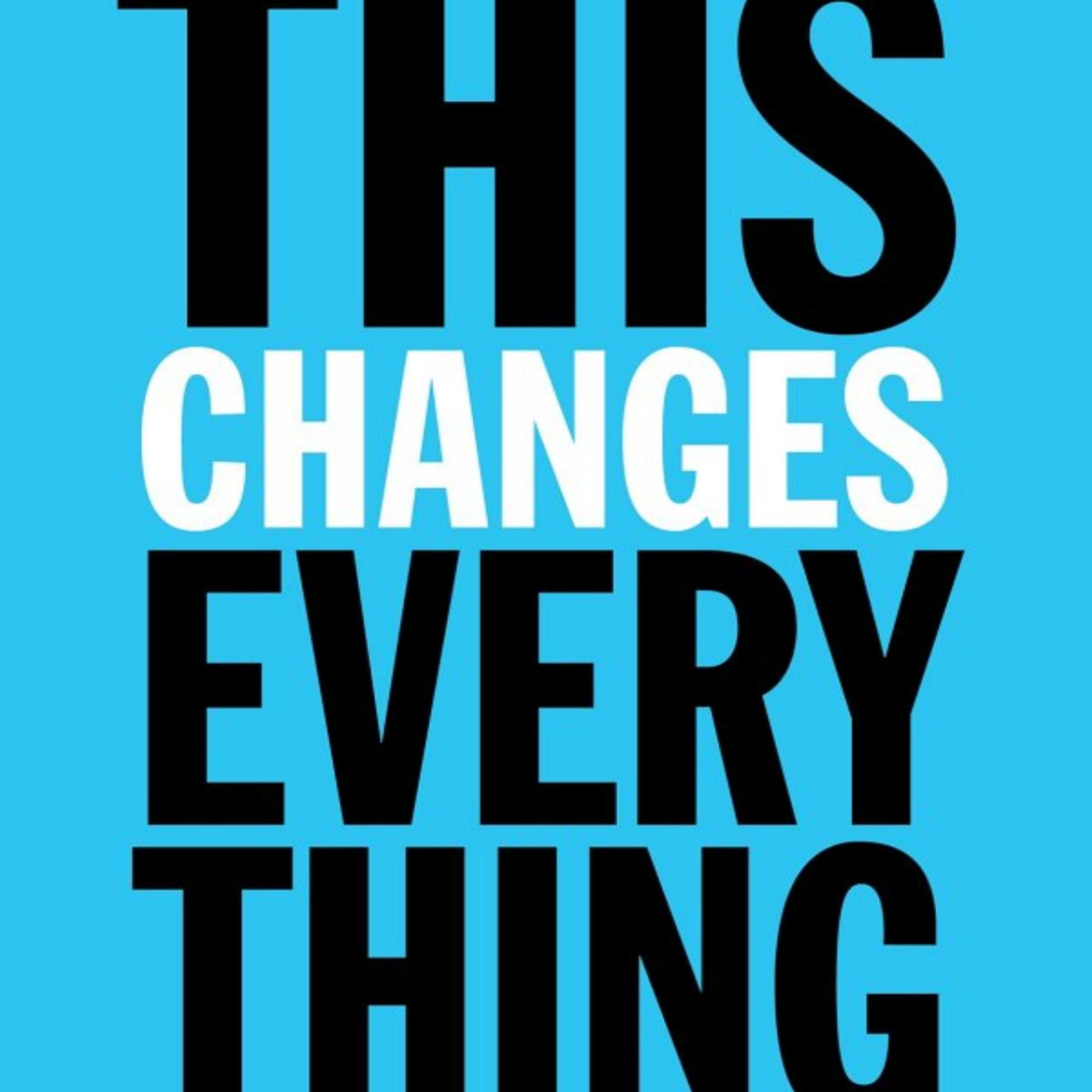
This Changes Everything: Capitalism vs. The Climate — Why Climate Action Keeps Stalling

What happens when the economic system responsible for much of the world's prosperity also rewards activities that destabilize the planet? This episode presents AI-narrated educational analysis based on published sources. The voices are synthetic and do not represent real conversations, interviews with the authors, or human experts. AI-assisted tools support research synthesis, production, and narration. Source selection, editorial framing, and final editorial decisions are guided by human judgment as part of the Crisis in Perception project. Welcome to Crisis in Perception, where we examine the systems shaping our world. In This Changes Everything: Capitalism vs. The Climate, Naomi Klein examines the relationship between global capitalism, fossil fuel dependence, and the political obstacles preventing meaningful climate action. Klein argues that climate change exposes a fundamental contradiction between an economic model dependent on continuous expansion and the finite ecological limits of the planet. Rather than treating climate inaction as a failure of scientific knowledge or technological innovation, she investigates the economic incentives, international trade rules, corporate interests, and political institutions that reinforce the existing system. This Deep Dive explores how renewable energy initiatives can collide with free-market policies, why carbon trading and corporate environmental partnerships may fail to challenge underlying incentives, and how the worldview of extractivism shapes our relationship with the natural world. The investigation also examines Blockadia, the grassroots movement connecting Indigenous land rights, local environmental resistance, and community demands for greater control over shared resources. At its center is a broader systems question: Who determines the rules governing economic activity when the environmental consequences are shared across societies and generations? The discussion distinguishes established climate science from Klein's economic interpretation and proposed reforms, using her 2014 research as the historical foundation. Central themes include economic growth, ecological limits, institutional lock-in, climate justice, public ownership, and the transition from extraction toward regeneration. 📺 Watch on YouTube: https://youtu.be/w0PDilHiUdM ❤️ Support / Episode Post on Patreon: https://www.patreon.com/CrisisinPerception/posts/this-changes-vs-175425911?utm_medium=clipboard_copy&utm_source=copyLink&utm_campaign=postshare_creator&utm_content=join_link If these ideas resonate, consider reading the work yourself or borrowing it from your local library. Supporting authors and libraries helps keep critical inquiry accessible. If you value systems-level analysis like this, please follow, rate, and share the project.

0:00-44:54

transcript

No transcript — this publisher did not publish one.

show notes

What happens when the economic system responsible for much of the world's prosperity also rewards activities that destabilize the planet?

This episode presents AI-narrated educational analysis based on published sources. The voices are synthetic and do not represent real conversations, interviews with the authors, or human experts.

AI-assisted tools support research synthesis, production, and narration. Source selection, editorial framing, and final editorial decisions are guided by human judgment as part of the Crisis in Perception project.

Welcome to Crisis in Perception, where we examine the systems shaping our world.

In This Changes Everything: Capitalism vs. The Climate, Naomi Klein examines the relationship between global capitalism, fossil fuel dependence, and the political obstacles preventing meaningful climate action.

Klein argues that climate change exposes a fundamental contradiction between an economic model dependent on continuous expansion and the finite ecological limits of the planet. Rather than treating climate inaction as a failure of scientific knowledge or technological innovation, she investigates the economic incentives, international trade rules, corporate interests, and political institutions that reinforce the existing system.

This Deep Dive explores how renewable energy initiatives can collide with free-market policies, why carbon trading and corporate environmental partnerships may fail to challenge underlying incentives, and how the worldview of extractivism shapes our relationship with the natural world.

The investigation also examines Blockadia, the grassroots movement connecting Indigenous land rights, local environmental resistance, and community demands for greater control over shared resources.

At its center is a broader systems question: Who determines the rules governing economic activity when the environmental consequences are shared across societies and generations?

The discussion distinguishes established climate science from Klein's economic interpretation and proposed reforms, using her 2014 research as the historical foundation.

Central themes include economic growth, ecological limits, institutional lock-in, climate justice, public ownership, and the transition from extraction toward regeneration.

📺 Watch on YouTube:
https://youtu.be/w0PDilHiUdM

❤️ Support / Episode Post on Patreon:
https://www.patreon.com/CrisisinPerception/posts/this-changes-vs-175425911?utm_medium=clipboard_copy&utm_source=copyLink&utm_campaign=postshare_creator&utm_content=join_link


If these ideas resonate, consider reading the work yourself or borrowing it from your local library. Supporting authors and libraries helps keep critical inquiry accessible.

If you value systems-level analysis like this, please follow, rate, and share the project.