Skip to content
Artwork for Crisis in Perception
Crisis in Perception · Saturday · 43 min

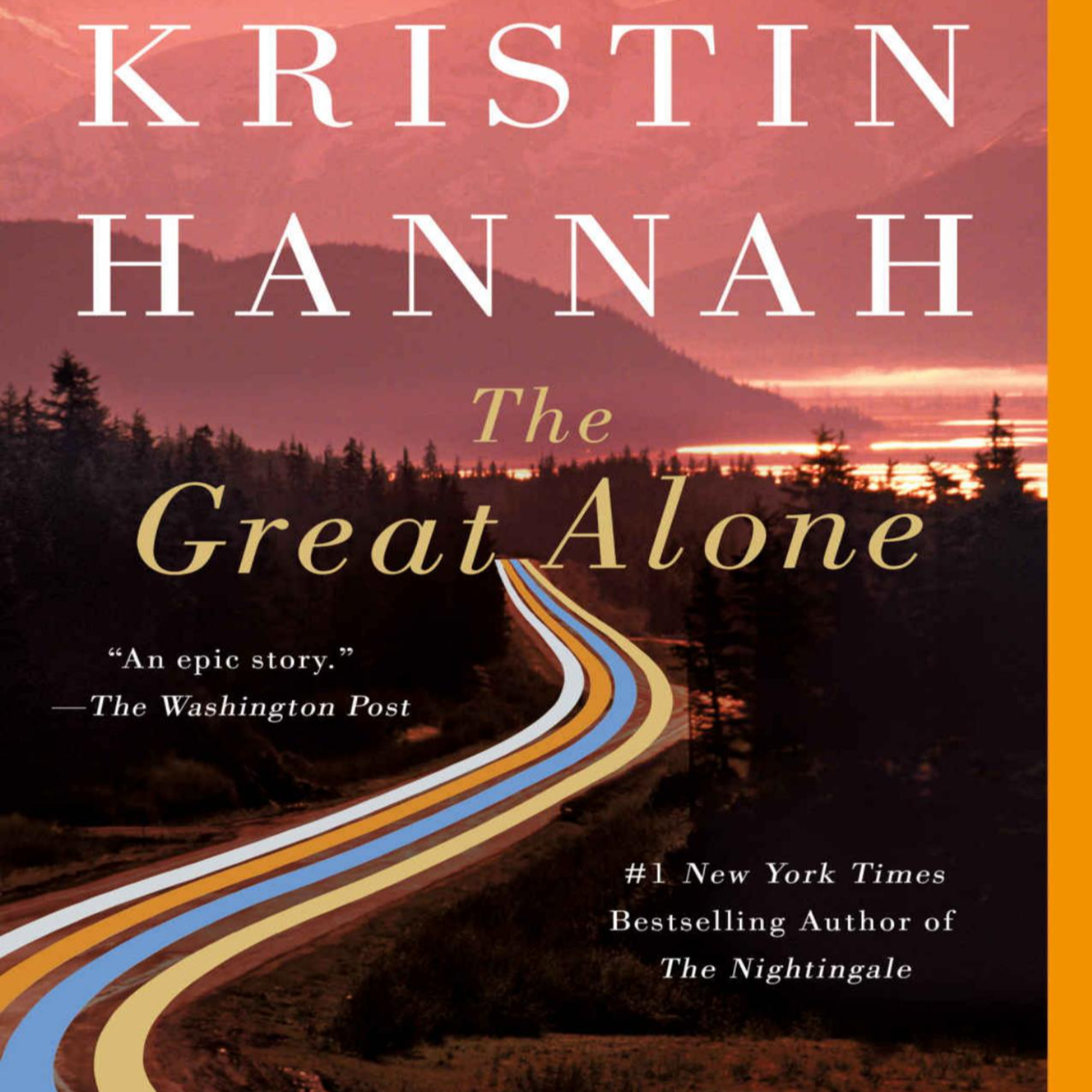
The Great Alone — When Independence Becomes Isolation

What does freedom really mean when escaping society also means losing access to the people who could help you survive? This episode presents AI-narrated educational analysis based on published sources. The voices are synthetic and do not represent real conversations, interviews with the authors, or human experts. AI-assisted tools support research synthesis, production, and narration. Source selection, editorial framing, and final editorial decisions are guided by human judgment as part of the Crisis in Perception project. Welcome to Crisis in Perception, where we examine the systems shaping our world. In The Great Alone, Kristin Hannah tells the story of Leni Allbright, whose family moves to the remote Alaskan wilderness in the 1970s seeking independence and a fresh beginning. But as her father's abusive behavior escalates, the family's isolation reveals how easily the promise of freedom can become a condition of captivity. This Deep Dive examines the interconnected systems of family control, economic dependence, geographic isolation, psychological trauma, and community survival. Through Leni's experiences, we investigate how love and loyalty can become entangled with fear, and why escaping a dangerous relationship often requires more than individual determination. Hannah's portrayal of Alaska introduces a compelling contradiction. The wilderness demands self-reliance, yet the people who endure its harshest conditions often depend on cooperation and shared resources. The community surrounding Leni and her mother demonstrates that independence and interdependence are not necessarily opposites. The investigation explores how circumstances constrain personal choices, why destructive family patterns can persist, and how relationships built on mutual support offer an alternative to isolation and control. Ultimately, The Great Alone invites us to reconsider whether freedom means needing no one—or having the ability to choose where we belong and whom we can trust. Central themes include coercive control, family loyalty, geographic vulnerability, resilience, community interdependence, and the difference between physical survival and genuine independence. 📺 Watch on YouTube: https://youtu.be/lO_DwH9cE-I ❤️ Support / Episode Post on Patreon: https://www.patreon.com/CrisisinPerception/posts/great-alone-when-175334658?utm_medium=clipboard_copy&utm_source=copyLink&utm_campaign=postshare_creator&utm_content=join_link This episode discusses key plot outcomes from the referenced fictional work in order to analyze its underlying social, economic, and systemic themes. If these ideas resonate, consider reading the work yourself or borrowing it from your local library. Supporting authors and libraries helps keep critical inquiry accessible. If you value systems-level analysis like this, please follow, rate, and share the project.

0:00-43:41

transcript

No transcript — this publisher did not publish one.

show notes

What does freedom really mean when escaping society also means losing access to the people who could help you survive?

This episode presents AI-narrated educational analysis based on published sources. The voices are synthetic and do not represent real conversations, interviews with the authors, or human experts.

AI-assisted tools support research synthesis, production, and narration. Source selection, editorial framing, and final editorial decisions are guided by human judgment as part of the Crisis in Perception project.

Welcome to Crisis in Perception, where we examine the systems shaping our world.

In The Great Alone, Kristin Hannah tells the story of Leni Allbright, whose family moves to the remote Alaskan wilderness in the 1970s seeking independence and a fresh beginning. But as her father's abusive behavior escalates, the family's isolation reveals how easily the promise of freedom can become a condition of captivity.

This Deep Dive examines the interconnected systems of family control, economic dependence, geographic isolation, psychological trauma, and community survival. Through Leni's experiences, we investigate how love and loyalty can become entangled with fear, and why escaping a dangerous relationship often requires more than individual determination.

Hannah's portrayal of Alaska introduces a compelling contradiction. The wilderness demands self-reliance, yet the people who endure its harshest conditions often depend on cooperation and shared resources. The community surrounding Leni and her mother demonstrates that independence and interdependence are not necessarily opposites.

The investigation explores how circumstances constrain personal choices, why destructive family patterns can persist, and how relationships built on mutual support offer an alternative to isolation and control.

Ultimately, The Great Alone invites us to reconsider whether freedom means needing no one—or having the ability to choose where we belong and whom we can trust.

Central themes include coercive control, family loyalty, geographic vulnerability, resilience, community interdependence, and the difference between physical survival and genuine independence.

📺 Watch on YouTube:
https://youtu.be/lO_DwH9cE-I

❤️ Support / Episode Post on Patreon:
https://www.patreon.com/CrisisinPerception/posts/great-alone-when-175334658?utm_medium=clipboard_copy&utm_source=copyLink&utm_campaign=postshare_creator&utm_content=join_link


This episode discusses key plot outcomes from the referenced fictional work in order to analyze its underlying social, economic, and systemic themes.

If these ideas resonate, consider reading the work yourself or borrowing it from your local library. Supporting authors and libraries helps keep critical inquiry accessible.

If you value systems-level analysis like this, please follow, rate, and share the project.