Skip to content
Artwork for CoROM cast. Wilderness, Austere, Remote and Resource-limited Medicine.
CoROM cast. Wilderness, Austere, Remote and Resource-limited Medicine. · August 14 · 38 min

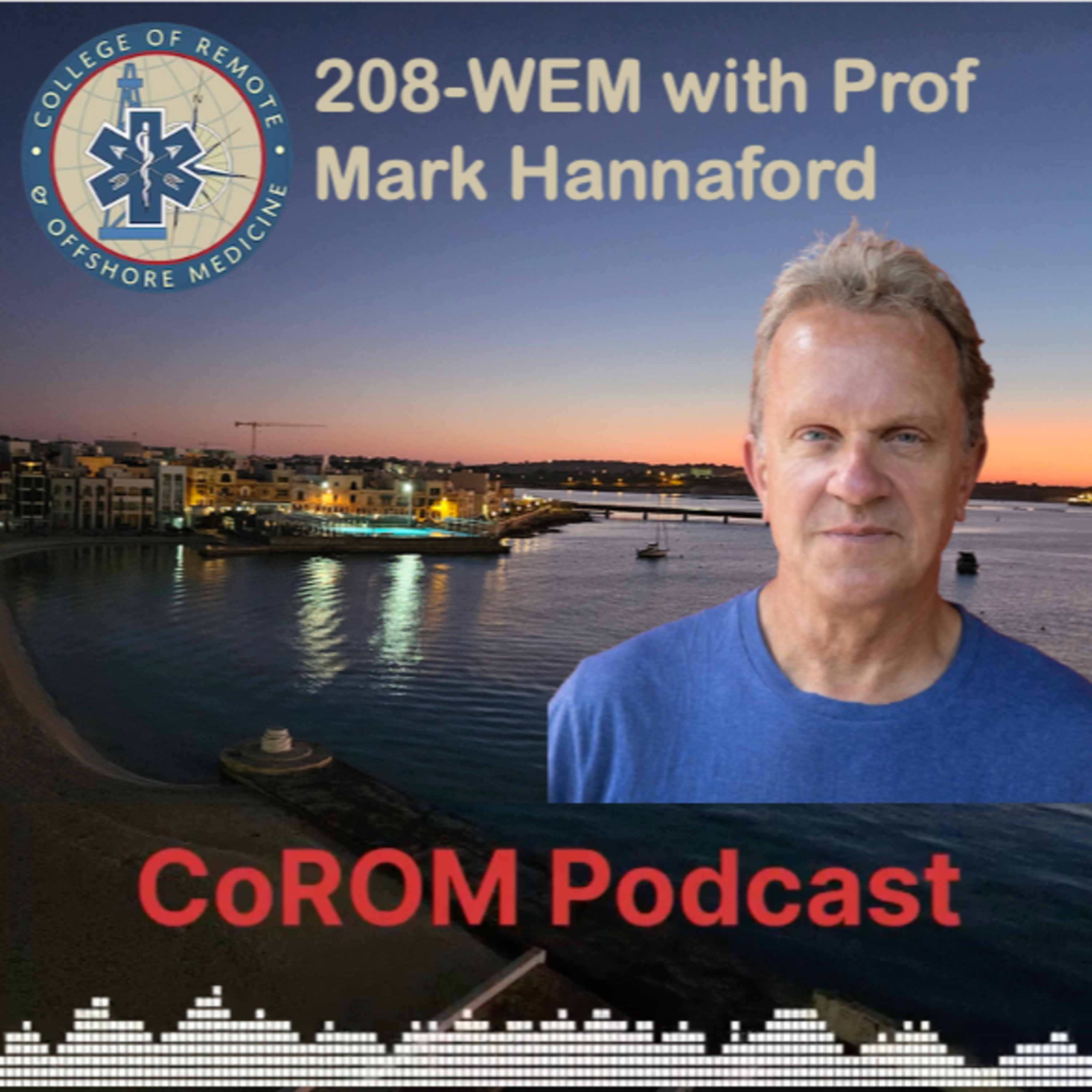
208-WEM with Prof Mark Hannaford

This week, Aebhric O'Kelly is joined by Professor Mark Hannaford, founder and CEO of World Extreme Medicine, to discuss the evolution of expedition medicine, humanitarian response, and the growing importance of prolonged casualty care in modern conflict. From kayaking in Patagonia and Antarctica to developing one of the world's leading extreme medicine organisations, Professor Hannaford shares the experiences that shaped his career and explains how World Extreme Medicine has become a global leader in expedition medicine education, research and humanitarian training. About the Speaker Professor Mark Hannaford is the Founder and CEO of World Extreme Medicine (WEM), an organisation dedicated to advancing healthcare in remote, austere and expeditionary environments. Topics Covered Professor Hannaford's journey into expedition and extreme medicine The origins and philosophy of World Extreme Medicine Why expedition medicine is about far more than trauma care The importance of primary care in remote environments Developing multidisciplinary expedition medical teams Breaking down barriers between military, humanitarian and civilian medicine Lessons learned from humanitarian work in Ukraine Training civilians in Stop the Bleed and emergency trauma care The growing importance of Prolonged Casualty Care in modern warfare How drone warfare is changing casualty evacuation Creating the MSc in Extreme Medicine at the University of Exeter Why research is essential for advancing austere medicine Advice for clinicians interested in expedition medicine The importance of mastering the basics before deploying Building experience through events, rescue organisations and outdoor medicine The future of extreme medicine and global medical education Chapters 00:00 – Introduction Introducing Professor Mark Hannaford Correct pronunciation and welcome 00:36 – Mark's background From geographer to expedition leader Living in Abu Dhabi A lifetime in expedition and remote medicine 02:02 – Supporting Ukraine The origins of the World Extreme Medicine Fund Choosing a focused humanitarian mission Current work in Ukraine 04:43 – Adventures in British Columbia Kayaking with orcas Patagonia expeditions Antarctica and the Arctic Wildlife and expedition life 09:56 – How World Extreme Medicine began Early expedition medicine Standardising expedition medical support Paying expedition medics Building multidisciplinary teams 15:04 – Breaking down medical silos Why WEM became World Extreme Medicine Bringing together military, humanitarian, wilderness and expedition medicine The evolution of the WEM Conference 17:47 – Medicine beyond medicine Expedition skills Bushcraft Vehicle safety Risk management 19:17 – Primary care versus trauma The reality of expedition medicine Why prevention matters 20:29 – The WEM Fund in Ukraine Medical supply convoys TCCC and Stop the Bleed Training civilians Building local capability 27:44 – Prolonged Casualty Care Changing battlefield realities Drone warfare Extended evacuation times Adapting PCC education to frontline needs 30:03 – Sharing Ukraine's lessons Teaching civilians NATO exercises Disseminating battlefield medical lessons 32:27 – Creating the MSc in Extreme Medicine Partnership with the University of Exeter Professionalising expedition medicine Research priorities Translating austere medicine into mainstream healthcare 37:59 – Advice for new expedition medics Master the basics Know your limits Gain domestic experience Find mentors Say yes to opportunities 40:36 – Final advice Prepare for your environment Listen more than you speak 41:22 – Closing remarks Reflections on Professor Hannaford's contribution Final thoughts and thanks

0:00-38:58

transcript

No transcript — this publisher did not publish one.

show notes

This week, Aebhric O'Kelly is joined by Professor Mark Hannaford, founder and CEO of World Extreme Medicine, to discuss the evolution of expedition medicine, humanitarian response, and the growing importance of prolonged casualty care in modern conflict.

From kayaking in Patagonia and Antarctica to developing one of the world's leading extreme medicine organisations, Professor Hannaford shares the experiences that shaped his career and explains how World Extreme Medicine has become a global leader in expedition medicine education, research and humanitarian training.


About the Speaker

Professor Mark Hannaford is the Founder and CEO of World Extreme Medicine (WEM), an organisation dedicated to advancing healthcare in remote, austere and expeditionary environments.


Topics Covered

  • Professor Hannaford's journey into expedition and extreme medicine
  • The origins and philosophy of World Extreme Medicine
  • Why expedition medicine is about far more than trauma care
  • The importance of primary care in remote environments
  • Developing multidisciplinary expedition medical teams
  • Breaking down barriers between military, humanitarian and civilian medicine
  • Lessons learned from humanitarian work in Ukraine
  • Training civilians in Stop the Bleed and emergency trauma care
  • The growing importance of Prolonged Casualty Care in modern warfare
  • How drone warfare is changing casualty evacuation
  • Creating the MSc in Extreme Medicine at the University of Exeter
  • Why research is essential for advancing austere medicine
  • Advice for clinicians interested in expedition medicine
  • The importance of mastering the basics before deploying
  • Building experience through events, rescue organisations and outdoor medicine
  • The future of extreme medicine and global medical education


Chapters

00:00 – Introduction

Introducing Professor Mark Hannaford

Correct pronunciation and welcome

00:36 – Mark's background

From geographer to expedition leader

Living in Abu Dhabi

A lifetime in expedition and remote medicine

02:02 – Supporting Ukraine

The origins of the World Extreme Medicine Fund

Choosing a focused humanitarian mission

Current work in Ukraine

04:43 – Adventures in British Columbia

Kayaking with orcas

Patagonia expeditions

Antarctica and the Arctic

Wildlife and expedition life

09:56 – How World Extreme Medicine began

Early expedition medicine

Standardising expedition medical support

Paying expedition medics

Building multidisciplinary teams

15:04 – Breaking down medical silos

Why WEM became World Extreme Medicine

Bringing together military, humanitarian, wilderness and expedition medicine

The evolution of the WEM Conference

17:47 – Medicine beyond medicine

Expedition skills

Bushcraft

Vehicle safety

Risk management

19:17 – Primary care versus trauma

The reality of expedition medicine

Why prevention matters

20:29 – The WEM Fund in Ukraine

Medical supply convoys

TCCC and Stop the Bleed

Training civilians

Building local capability

27:44 – Prolonged Casualty Care

Changing battlefield realities

Drone warfare

Extended evacuation times

Adapting PCC education to frontline needs

30:03 – Sharing Ukraine's lessons

Teaching civilians

NATO exercises

Disseminating battlefield medical lessons

32:27 – Creating the MSc in Extreme Medicine

Partnership with the University of Exeter

Professionalising expedition medicine

Research priorities

Translating austere medicine into mainstream healthcare

37:59 – Advice for new expedition medics

Master the basics

Know your limits

Gain domestic experience

Find mentors

Say yes to opportunities

40:36 – Final advice

Prepare for your environment

Listen more than you speak

41:22 – Closing remarks

Reflections on Professor Hannaford's contribution

Final thoughts and thanks