Skip to content
Artwork for CoROM cast. Wilderness, Austere, Remote and Resource-limited Medicine.
CoROM cast. Wilderness, Austere, Remote and Resource-limited Medicine. · July 3 · 44 min

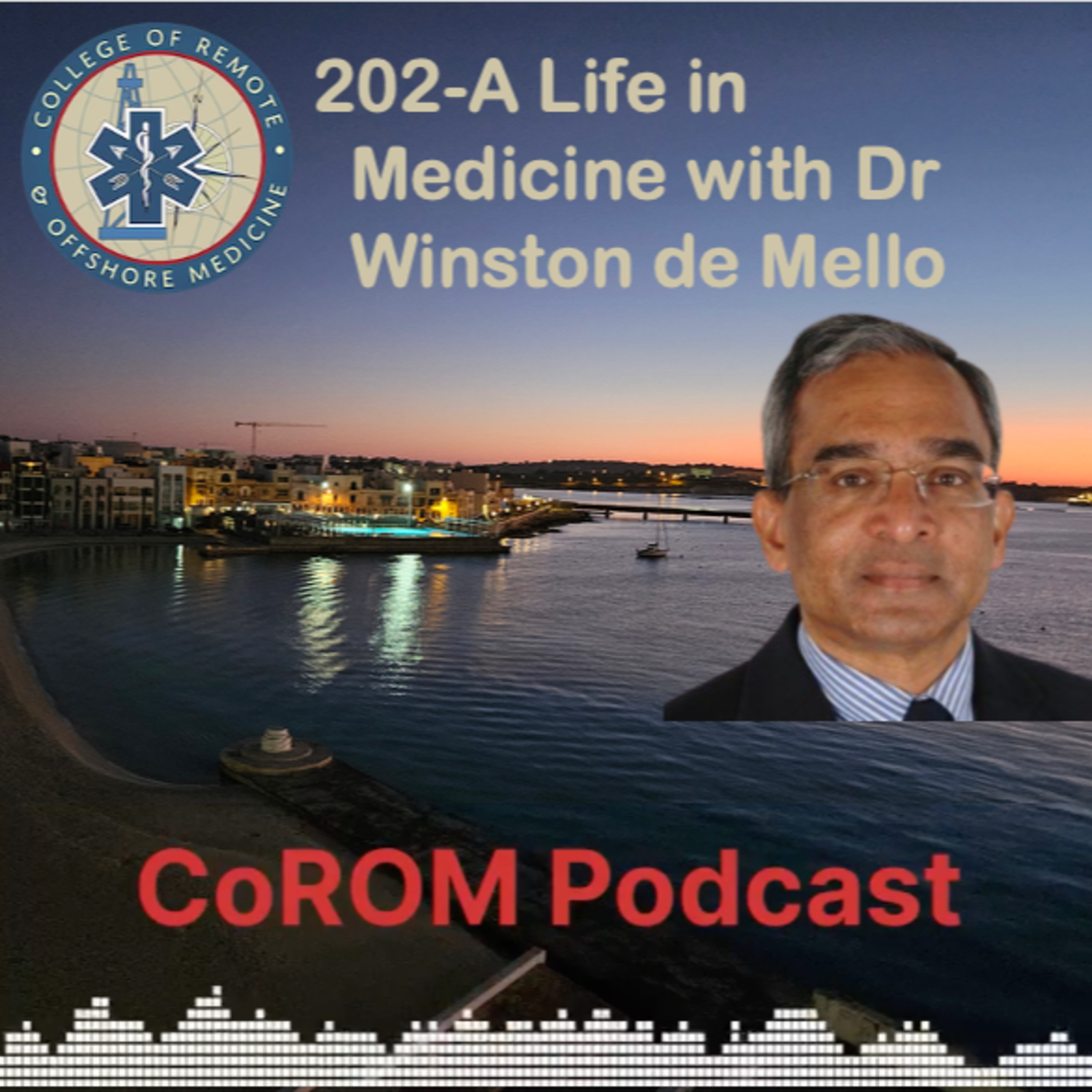
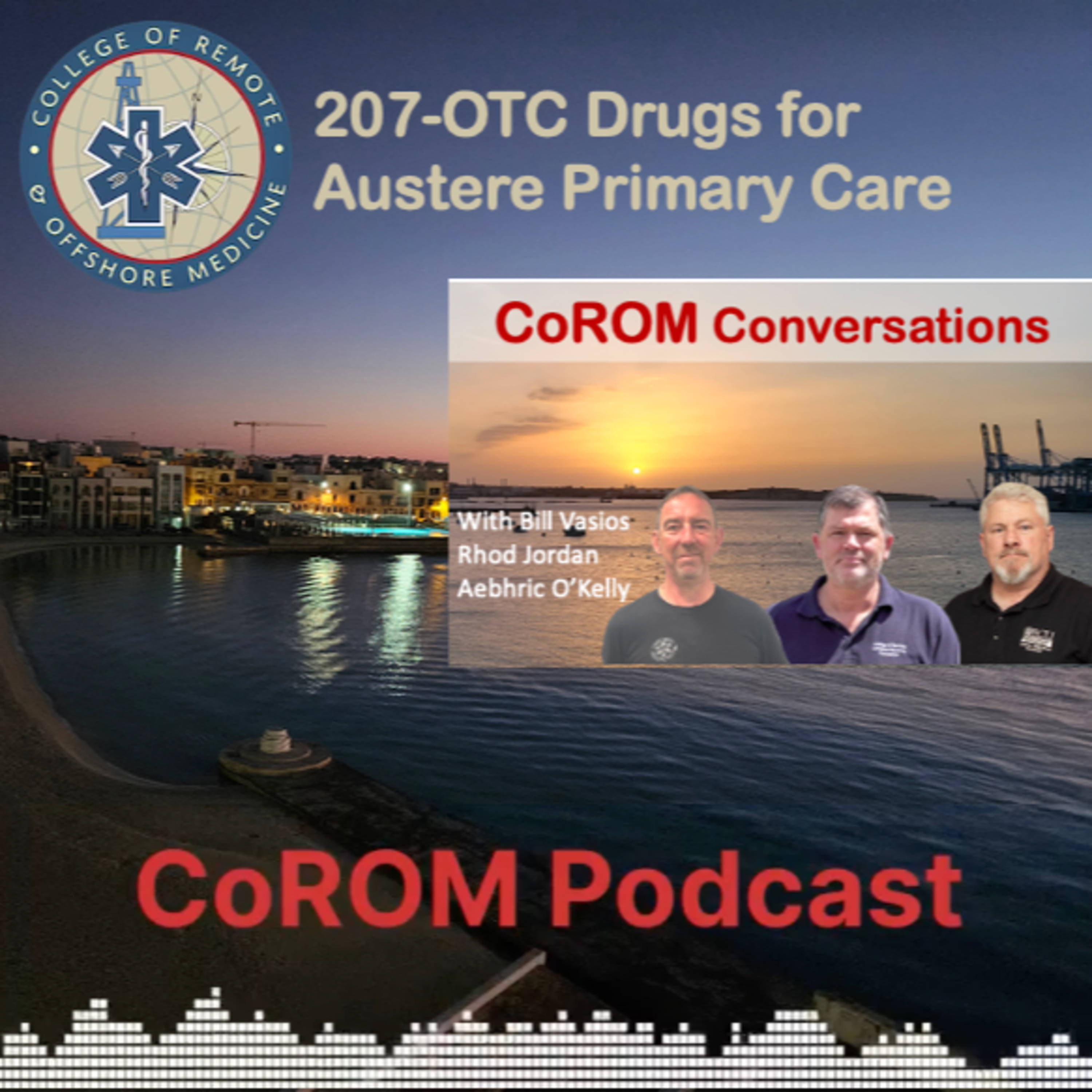
202-A Life in Medicine with Dr Winston de Mello

In this special episode of the CoROM Podcast, Dr Winston de Mello joins Aebhric O’Kelly for a wide-ranging discussion on burns, military medicine, medical education, mentorship, and the evolution of austere healthcare. A founding influence behind CoROM and a former Commanding Officer of the UK military's Battlefield Advanced Trauma Life Support (BATLS) programme, Winston reflects on decades of service, from treating burn casualties after the Falklands War to helping shape generations of military medics, doctors, nurses, and paramedics. The conversation explores prehospital burn care, topical morphine, ketamine procedural sedation, the origins of several austere medicine assessment techniques still taught today, and the importance of lifelong learning and compassionate patient care. Chapters 00:05 – Introduction to Dr. Winston DeMello 00:53 – Current work in burn care and pelvic pain medicine 01:17 – The origins of Severe Burn Life Support (SBLS) 02:46 – Burn education at bachelor's and master's level 03:29 – How the Falklands War sparked a lifelong interest in burns 04:50 – Why severe burns remain a chronic disease 06:07 – The importance of burn education in austere medicine 06:55 – The fundamentals of burn management 07:09 – Why cling film remains one of the best burn dressings 08:02 – Infection prevention and moisture control with cling film 08:59 – Teaching burn care internationally 09:29 – The story behind topical morphine for burns 11:11 – Twenty years of experience using topical morphine 11:41 – Why morphine should be diluted with water rather than saline 12:20 – Topical morphine for ulcers, wounds, and joint pain 13:11 – What is a ketamine shower? 14:00 – Burn dressing changes under ketamine procedural sedation 15:28 – Why ketamine remains underutilised in medicine 17:27 – First meeting at the BATLS course 18:59 – Teaching catastrophic haemorrhage during wartime deployments 21:20 – The importance of passion in medical education 24:20 – The multiplier effect of teaching future instructors 25:24 – End-of-life care and battlefield medicine 26:41 – Burns education and the evolution of austere medicine 27:10 – Learning how to teach at BATLS 28:29 – The influence of legendary military instructors 30:36 – Building the BATLS faculty team 31:11 – Teaching others how to teach 32:36 – The origins of CoROM and early wilderness medicine training in Ireland 33:33 – Persistence, resilience, and building educational programmes 34:37 – Mentoring students including Grigory Tisenovich 35:14 – The origins of the "Winston Sign" for estimating CVP 38:24 – The importance of historical medical knowledge 39:18 – The "Palmar Crease Sign" and assessing anaemia 40:46 – Treating the future King of Jordan at Sandhurst 43:26 – How a military patient inspired a career in pelvic pain medicine 45:11 – Meeting Dr. Mallampati and airway management history 47:22 – The story behind the Trendelenburg name 48:29 – Reflections on mentorship and professional legacy 49:25 – Advice for the next generation of austere clinicians 50:49 – "Do the basics well, but always in style" 51:01 – Closing thoughts and future collaboration Guest Biography Dr Winston DeMello is an anaesthetist, military medical educator, burns specialist, and one of the founding influences behind the College of Remote and Offshore Medicine Foundation. He served as Commanding Officer of the UK military's BATLS programme and has held fellowships from all four Royal Colleges. His career has included extensive work in burn care, military medicine, procedural sedation, prehospital care, and pelvic pain medicine. He continues to contribute to international education through Severe Burn Life Support (SBLS) and advanced burn care training.

0:00-44:20

transcript

No transcript — this publisher did not publish one.

show notes

In this special episode of the CoROM Podcast, Dr Winston de Mello joins Aebhric O’Kelly for a wide-ranging discussion on burns, military medicine, medical education, mentorship, and the evolution of austere healthcare.

A founding influence behind CoROM and a former Commanding Officer of the UK military's Battlefield Advanced Trauma Life Support (BATLS) programme, Winston reflects on decades of service, from treating burn casualties after the Falklands War to helping shape generations of military medics, doctors, nurses, and paramedics.

The conversation explores prehospital burn care, topical morphine, ketamine procedural sedation, the origins of several austere medicine assessment techniques still taught today, and the importance of lifelong learning and compassionate patient care.


Chapters

00:05 – Introduction to Dr. Winston DeMello

00:53 – Current work in burn care and pelvic pain medicine

01:17 – The origins of Severe Burn Life Support (SBLS)

02:46 – Burn education at bachelor's and master's level

03:29 – How the Falklands War sparked a lifelong interest in burns

04:50 – Why severe burns remain a chronic disease

06:07 – The importance of burn education in austere medicine

06:55 – The fundamentals of burn management

07:09 – Why cling film remains one of the best burn dressings

08:02 – Infection prevention and moisture control with cling film

08:59 – Teaching burn care internationally

09:29 – The story behind topical morphine for burns

11:11 – Twenty years of experience using topical morphine

11:41 – Why morphine should be diluted with water rather than saline

12:20 – Topical morphine for ulcers, wounds, and joint pain

13:11 – What is a ketamine shower?

14:00 – Burn dressing changes under ketamine procedural sedation

15:28 – Why ketamine remains underutilised in medicine

17:27 – First meeting at the BATLS course

18:59 – Teaching catastrophic haemorrhage during wartime deployments

21:20 – The importance of passion in medical education

24:20 – The multiplier effect of teaching future instructors

25:24 – End-of-life care and battlefield medicine

26:41 – Burns education and the evolution of austere medicine

27:10 – Learning how to teach at BATLS

28:29 – The influence of legendary military instructors

30:36 – Building the BATLS faculty team

31:11 – Teaching others how to teach

32:36 – The origins of CoROM and early wilderness medicine training in Ireland

33:33 – Persistence, resilience, and building educational programmes

34:37 – Mentoring students including Grigory Tisenovich

35:14 – The origins of the "Winston Sign" for estimating CVP

38:24 – The importance of historical medical knowledge

39:18 – The "Palmar Crease Sign" and assessing anaemia

40:46 – Treating the future King of Jordan at Sandhurst

43:26 – How a military patient inspired a career in pelvic pain medicine

45:11 – Meeting Dr. Mallampati and airway management history

47:22 – The story behind the Trendelenburg name

48:29 – Reflections on mentorship and professional legacy

49:25 – Advice for the next generation of austere clinicians

50:49 – "Do the basics well, but always in style"

51:01 – Closing thoughts and future collaboration


Guest Biography

Dr Winston DeMello is an anaesthetist, military medical educator, burns specialist, and one of the founding influences behind the College of Remote and Offshore Medicine Foundation.

He served as Commanding Officer of the UK military's BATLS programme and has held fellowships from all four Royal Colleges. His career has included extensive work in burn care, military medicine, procedural sedation, prehospital care, and pelvic pain medicine. He continues to contribute to international education through Severe Burn Life Support (SBLS) and advanced burn care training.