Skip to content
Artwork for Core EM - Emergency Medicine Podcast
Core EM - Emergency Medicine Podcast · April 7

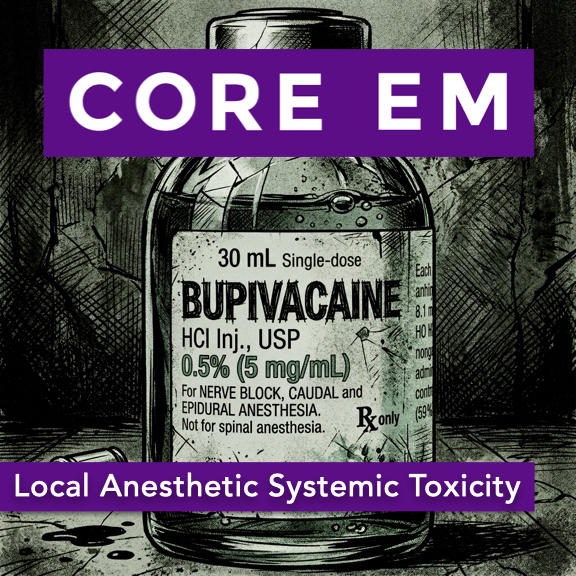
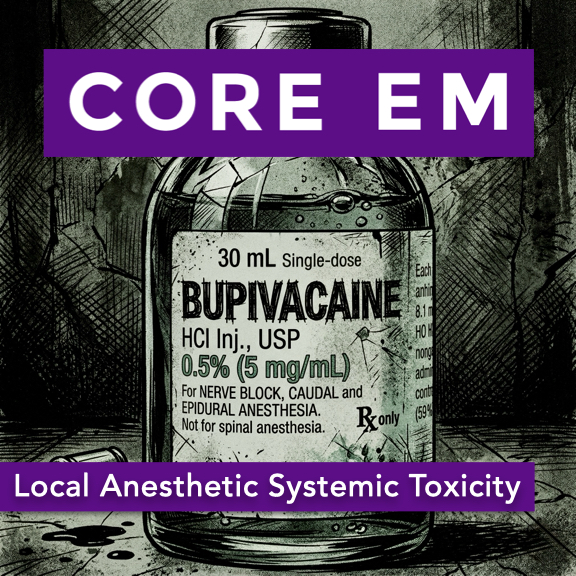
Episode 222: Local Anesthetic Systemic Toxicity (LAST)

We discuss this ominous complication of providing local anesthesia. Hosts: Elaine Jonas, MD Brian Gilberti, MD Download Leave a Comment Tags: Critical Care, Toxicology Show Notes I. Pathophysiology & Mechanisms Definition: Systemic toxicity secondary to local anesthetic (LA) via accidental intravascular injection or excessive systemic absorption. Threshold: Occurs when plasma concentration exceeds the safety threshold for cardiac and neural tissue. Agent Profile: Bupivacaine (High Risk) Highly lipophilic with high protein binding. “Fast-on, Slow-off” Kinetics: Strong Na+ channel binding with extremely slow dissociation during diastole. Myocardial Depression: Direct inhibition of Ca2+ release from the sarcoplasmic reticulum, impairing contractility. Low CC:CNS Ratio: The dose required for cardiac collapse is very close to the dose that triggers seizures (narrow safety margin). Contributing Factors: Acidosis/Hypercapnia: Increases the fraction of free drug and promotes ion trapping in the brain/heart; shifts the LA-binding curve toward higher toxicity. Hypoxemia: Exacerbates myocardial depression and lowers seizure threshold. II. Risk Assessment & Prevention Patient-Specific Risk Factors Extremes of Age: Neonates (low α-1-acid glycoprotein) and elderly (reduced clearance). Body Composition: Low muscle mass/frailty (decreased volume of distribution). Organ Dysfunction: Hepatic: Reduced metabolism of amide LAs. Renal: Accumulation of metabolites; risk of metabolic acidosis lowering seizure threshold. Cardiac: Reduced cardiac output slows hepatic delivery/clearance; heart failure patients are more sensitive to Na+ channel blockade. Pregnancy: Increased sensitivity to cardiotoxicity. Procedural Risk Factors Vascularity of Site (Highest to Lowest Risk): Intercostal blocks (highest absorption rate). Caudal/Epidural. Interfascial plane blocks (e.g., TAP block). Psoas compartment/Sciatic. Brachial plexus. Technique: Large volume infiltration, lack of ultrasound, lack of incremental injection. Prevention Mandates Weight-Based Dosing: Lidocaine (Plain): Max 4.5 mg/kg. Lidocaine (with Epi): Max 7 mg/kg. Bupivacaine: Max 2.5–3 mg/kg. Incremental Injection: 3–5 mL aliquots with frequent aspiration. Intravascular Marker: Use Epinephrine (1:200,000) to detect accidental IV placement (HR increase >10 bpmor SBP increase >15 mmHg). III. Clinical Presentation Neurologic Phase (Early to Late) Subjective: Metallic taste, tinnitus, circumoral numbness/tingling. Objective: Visual disturbances, agitation, confusion, tremors. Critical: Generalized tonic-clonic seizures, rapid progression to CNS depression, coma, and apnea. Note: Early phases are often masked in patients receiving midazolam or propofol. Cardiovascular Phase Initial: Hypertension and tachycardia (if epi used) or transient stimulatory phase. Conduction Defects: PR prolongation, QRS widening (classic sign), bundle branch blocks. Dysrhythmias: Bradycardia (most common), VT/VF, PEA, asystole. Contractility: Profound, refractory hypotension and cardiogenic shock. IV. Immediate Management Algorithm Goal: Prevent hypoxia/acidosis and sequester the toxin. 1. Initial Actions Stop Injection: Immediately halt all LA administration. Call for Help: Specify “LAST Protocol” and “Intralipid Kit.” Airway Management: 100% O2​. Hyperventilate slightly if needed to counter respiratory acidosis. Low threshold for intubation (hypoxia/acidosis rapidly worsen LAST). 2. Seizure Control First-line: Benzodiazepines (e.g., Midazolam). Avoid: Propofol if hemodynamically unstable (exacerbates cardiac depression). Neuromuscular Blockers: May be needed for ventilation, but remember they do not stop CNS seizure activity. 3. Lipid Emulsion Therapy 20% Indications: Start at first sign of serious toxicity (airway compromise, seizures, or CV instability). Bolus: 1.5 mL/kg IV over 1 minute. Infusion: 0.25 mL/kg/min immediately following bolus. If Instability Persists: Repeat bolus (up to 2 times). Increase infusion to 0.5 mL/kg/min. Upper Limit: ≈12 mL/kg total dose. 4. Modified ACLS Epinephrine: Use low doses (<1 mcg/kg) to avoid worsening arrhythmias and interfering with lipid rescue. Antiarrhythmics: Amiodarone is preferred. CONTRAINDICATED: Lidocaine: (Class Ib antiarrhythmic—will worsen toxicity). Vasopressin: Associated with poor outcomes in animal LAST models. Calcium Channel Blockers / Beta Blockers: Exacerbate myocardial depression. Refractory Arrest: Early consultation for ECMO or Cardiopulmonary Bypass (CPB). V. Differential Diagnosis for the Peri-Procedural Patient High Spinal: Ascending sensory/motor block, profound sympathectomy (hypotension/bradycardia). Anaphylaxis: Urticaria, wheezing (rare with amides, more common with esters). Air/Gas Embolism: Sudden dyspnea, “mill-wheel” murmur, acute right heart strain. Vasovagal Syncope: Bradycardia/hypotension, usually lacks the QRS widening or seizure activity. VI. Post-Resuscitation & Complications Observation: At least 2 hours after a CNS-only event. At least 4–6 hours after a CV event. Lipid Complications: Lab Interference: Lipemia interferes with hemoglobin, creatinine, and electrolyte measurements (draw labs before ILE if possible). Pancreatitis: Rare, delayed complication of high-dose ILE. Fat Embolism/Overload: Rare pulmonary complications. VII. Clinical “Red Flags” for Toxicity Unexpected Agitation: In a patient who just received a block, don’t assume “anxiety.” Wide QRS: Any widening of the QRS complex post-injection is LAST until proven otherwise. Refractory Arrest: Standard ACLS failing in a patient who received LA. Lipid must be given. Critical Note: LAST is a clinical diagnosis. Do not wait for serum lidocaine levels or laboratory confirmation to initiate Lipid Emulsion Therapy. Immediate correction of pH and PaCO2​ is as vital as the lipid itself. Read More

0:00Duration unknown

transcript

No transcript — this publisher did not publish one.

show notes

We discuss this ominous complication of providing local anesthesia.

Hosts:
Elaine Jonas, MD
Brian Gilberti, MD

Download Leave a Comment Tags: Critical Care, Toxicology

Show Notes

I. Pathophysiology & Mechanisms

  • Definition: Systemic toxicity secondary to local anesthetic (LA) via accidental intravascular injection or excessive systemic absorption.

  • Threshold: Occurs when plasma concentration exceeds the safety threshold for cardiac and neural tissue.

  • Agent Profile: Bupivacaine (High Risk)

    • Highly lipophilic with high protein binding.

    • “Fast-on, Slow-off” Kinetics: Strong Na+ channel binding with extremely slow dissociation during diastole.

    • Myocardial Depression: Direct inhibition of Ca2+ release from the sarcoplasmic reticulum, impairing contractility.

    • Low CC:CNS Ratio: The dose required for cardiac collapse is very close to the dose that triggers seizures (narrow safety margin).

  • Contributing Factors:

    • Acidosis/Hypercapnia: Increases the fraction of free drug and promotes ion trapping in the brain/heart; shifts the LA-binding curve toward higher toxicity.

    • Hypoxemia: Exacerbates myocardial depression and lowers seizure threshold.


II. Risk Assessment & Prevention

Patient-Specific Risk Factors

  • Extremes of Age: Neonates (low α-1-acid glycoprotein) and elderly (reduced clearance).

  • Body Composition: Low muscle mass/frailty (decreased volume of distribution).

  • Organ Dysfunction:

    • Hepatic: Reduced metabolism of amide LAs.

    • Renal: Accumulation of metabolites; risk of metabolic acidosis lowering seizure threshold.

    • Cardiac: Reduced cardiac output slows hepatic delivery/clearance; heart failure patients are more sensitive to Na+ channel blockade.

  • Pregnancy: Increased sensitivity to cardiotoxicity.

Procedural Risk Factors

  • Vascularity of Site (Highest to Lowest Risk):

    1. Intercostal blocks (highest absorption rate).

    2. Caudal/Epidural.

    3. Interfascial plane blocks (e.g., TAP block).

    4. Psoas compartment/Sciatic.

    5. Brachial plexus.

  • Technique: Large volume infiltration, lack of ultrasound, lack of incremental injection.

Prevention Mandates

  • Weight-Based Dosing:

    • Lidocaine (Plain): Max 4.5 mg/kg.

    • Lidocaine (with Epi): Max 7 mg/kg.

    • Bupivacaine: Max 2.5–3 mg/kg.

  • Incremental Injection: 3–5 mL aliquots with frequent aspiration.

  • Intravascular Marker: Use Epinephrine (1:200,000) to detect accidental IV placement (HR increase >10 bpmor SBP increase >15 mmHg).


III. Clinical Presentation

Neurologic Phase (Early to Late)

  • Subjective: Metallic taste, tinnitus, circumoral numbness/tingling.

  • Objective: Visual disturbances, agitation, confusion, tremors.

  • Critical: Generalized tonic-clonic seizures, rapid progression to CNS depression, coma, and apnea.

  • Note: Early phases are often masked in patients receiving midazolam or propofol.

Cardiovascular Phase

  • Initial: Hypertension and tachycardia (if epi used) or transient stimulatory phase.

  • Conduction Defects: PR prolongation, QRS widening (classic sign), bundle branch blocks.

  • Dysrhythmias: Bradycardia (most common), VT/VF, PEA, asystole.

  • Contractility: Profound, refractory hypotension and cardiogenic shock.


IV. Immediate Management Algorithm

Goal: Prevent hypoxia/acidosis and sequester the toxin.

1. Initial Actions

  • Stop Injection: Immediately halt all LA administration.

  • Call for Help: Specify “LAST Protocol” and “Intralipid Kit.”

  • Airway Management:

    • 100% O2​.

    • Hyperventilate slightly if needed to counter respiratory acidosis.

    • Low threshold for intubation (hypoxia/acidosis rapidly worsen LAST).

2. Seizure Control

  • First-line: Benzodiazepines (e.g., Midazolam).

  • Avoid: Propofol if hemodynamically unstable (exacerbates cardiac depression).

  • Neuromuscular Blockers: May be needed for ventilation, but remember they do not stop CNS seizure activity.

3. Lipid Emulsion Therapy 20%

  • Indications: Start at first sign of serious toxicity (airway compromise, seizures, or CV instability).

  • Bolus: 1.5 mL/kg IV over 1 minute.

  • Infusion: 0.25 mL/kg/min immediately following bolus.

  • If Instability Persists:

    • Repeat bolus (up to 2 times).

    • Increase infusion to 0.5 mL/kg/min.

  • Upper Limit: ≈12 mL/kg total dose.

4. Modified ACLS

  • Epinephrine: Use low doses (<1 mcg/kg) to avoid worsening arrhythmias and interfering with lipid rescue.

  • Antiarrhythmics: Amiodarone is preferred.

  • CONTRAINDICATED:

    • Lidocaine: (Class Ib antiarrhythmic—will worsen toxicity).

    • Vasopressin: Associated with poor outcomes in animal LAST models.

    • Calcium Channel Blockers / Beta Blockers: Exacerbate myocardial depression.

  • Refractory Arrest: Early consultation for ECMO or Cardiopulmonary Bypass (CPB).


V. Differential Diagnosis for the Peri-Procedural Patient

  • High Spinal: Ascending sensory/motor block, profound sympathectomy (hypotension/bradycardia).

  • Anaphylaxis: Urticaria, wheezing (rare with amides, more common with esters).

  • Air/Gas Embolism: Sudden dyspnea, “mill-wheel” murmur, acute right heart strain.

  • Vasovagal Syncope: Bradycardia/hypotension, usually lacks the QRS widening or seizure activity.


VI. Post-Resuscitation & Complications

  • Observation:

    • At least 2 hours after a CNS-only event.

    • At least 4–6 hours after a CV event.

  • Lipid Complications:

    • Lab Interference: Lipemia interferes with hemoglobin, creatinine, and electrolyte measurements (draw labs before ILE if possible).

    • Pancreatitis: Rare, delayed complication of high-dose ILE.

    • Fat Embolism/Overload: Rare pulmonary complications.


VII. Clinical “Red Flags” for Toxicity

  • Unexpected Agitation: In a patient who just received a block, don’t assume “anxiety.”

  • Wide QRS: Any widening of the QRS complex post-injection is LAST until proven otherwise.

  • Refractory Arrest: Standard ACLS failing in a patient who received LA. Lipid must be given.


Critical Note: LAST is a clinical diagnosis. Do not wait for serum lidocaine levels or laboratory confirmation to initiate Lipid Emulsion Therapy. Immediate correction of pH and PaCO2​ is as vital as the lipid itself.


Read More

links5