transcript
show notes
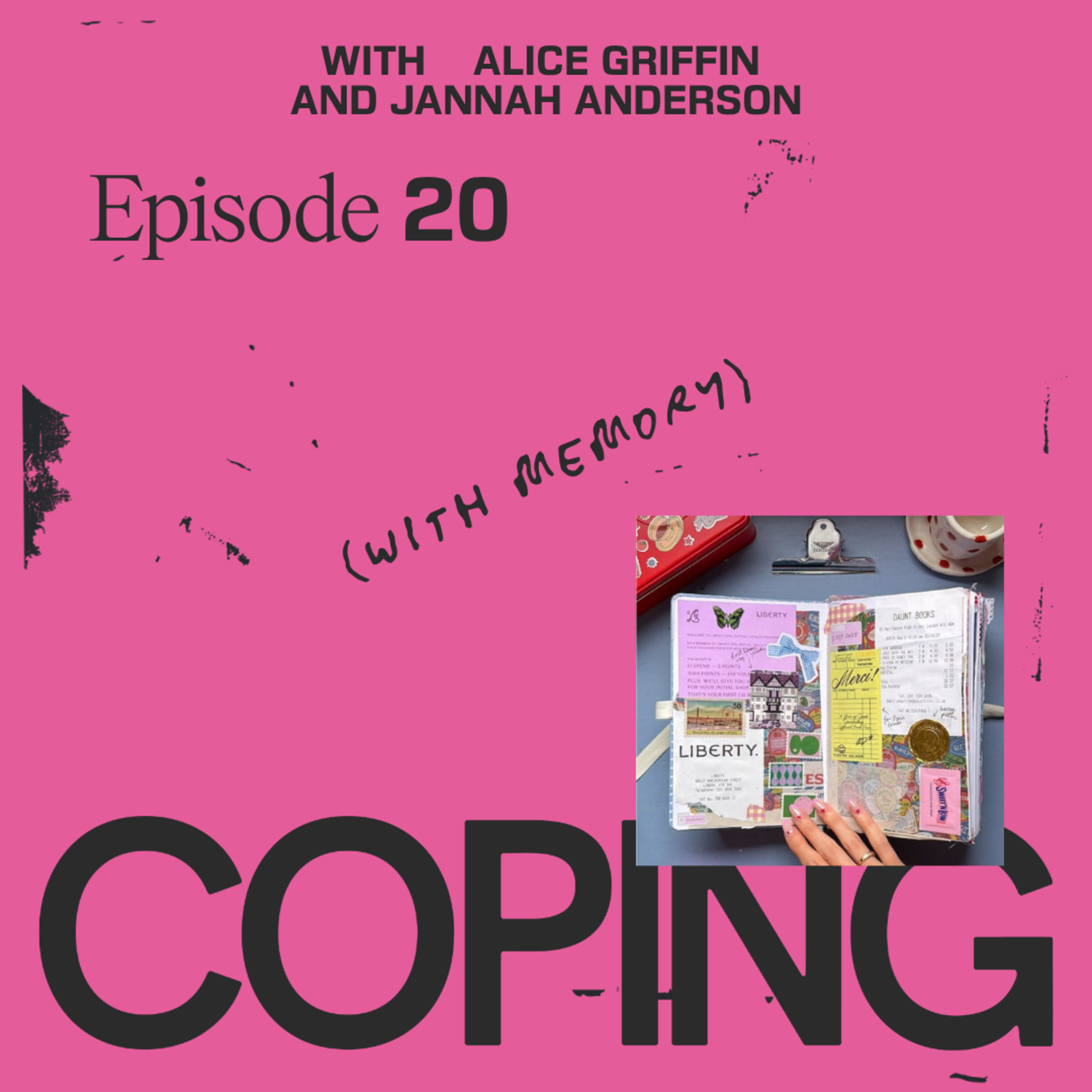
We’d like to think our memories are fixed but most of us are running on vibes, fragments, and deeply emotional edits n reedits. Our brains so easily forget the “important” stuff, cling to the weirdest details, and seemingly rewrite entire chapters without permission. And the things we actually do remember often says more about who we are now than whatever happened way back when.
This week, Alice Griffin (resident unreliable narrator) and Jannah Anderson (she’s got receipts) dive into the mechanics of how memory actually works, the psychology behind recall, the fear of forgetting, and the stories we build from our own mental archives. And how much are we already outsourcing to Big Tech from a scale of 1-that Black Mirror episode??
☆ Are you a creative looking for support? Visit the or call the Support Act Wellbeing Helpline on 1800 959 500 for a free and confidential chat (and remember, you don't have to be in crisis to call). Sometimes you just need to talk to someone who actually gets it and can hear you out. ☆
Creating False Memories, by Elizabeth L Loftus, in Scientific American
How The Truth Gets Twisted by By Ann Marsh and Greta Lorge in Stanford Magazine
False Memories Under Fire, Scitech Daily
Memory and Learning: How the Brain Stores, Retrieves, and Forgets Information, by Renz Solimen, The Science Times
The Woman Who Can’t Forget by Jill Price
Living On Record: My First Ten Days, Eka Ventures Newsletter on Substack
The Entire History Of You, Black Mirror on Netflix
Want to support our show? We'd be so grateful if you hit 'follow' or left us a 5-star review so we can bring you more Coping content.
Plus, you can follow along with us on Instagram, TikTok, and Pinterest. Find out more about what we're up to (and how you can get involved) at copinginc.com.