transcript
show notes
Support Cinema Callback on Patreon for bonus content, exclusive extras, and help us continue making in-depth film discussions through our unique voice note format.
Patreon: https://www.patreon.com/c/CinemaCallback
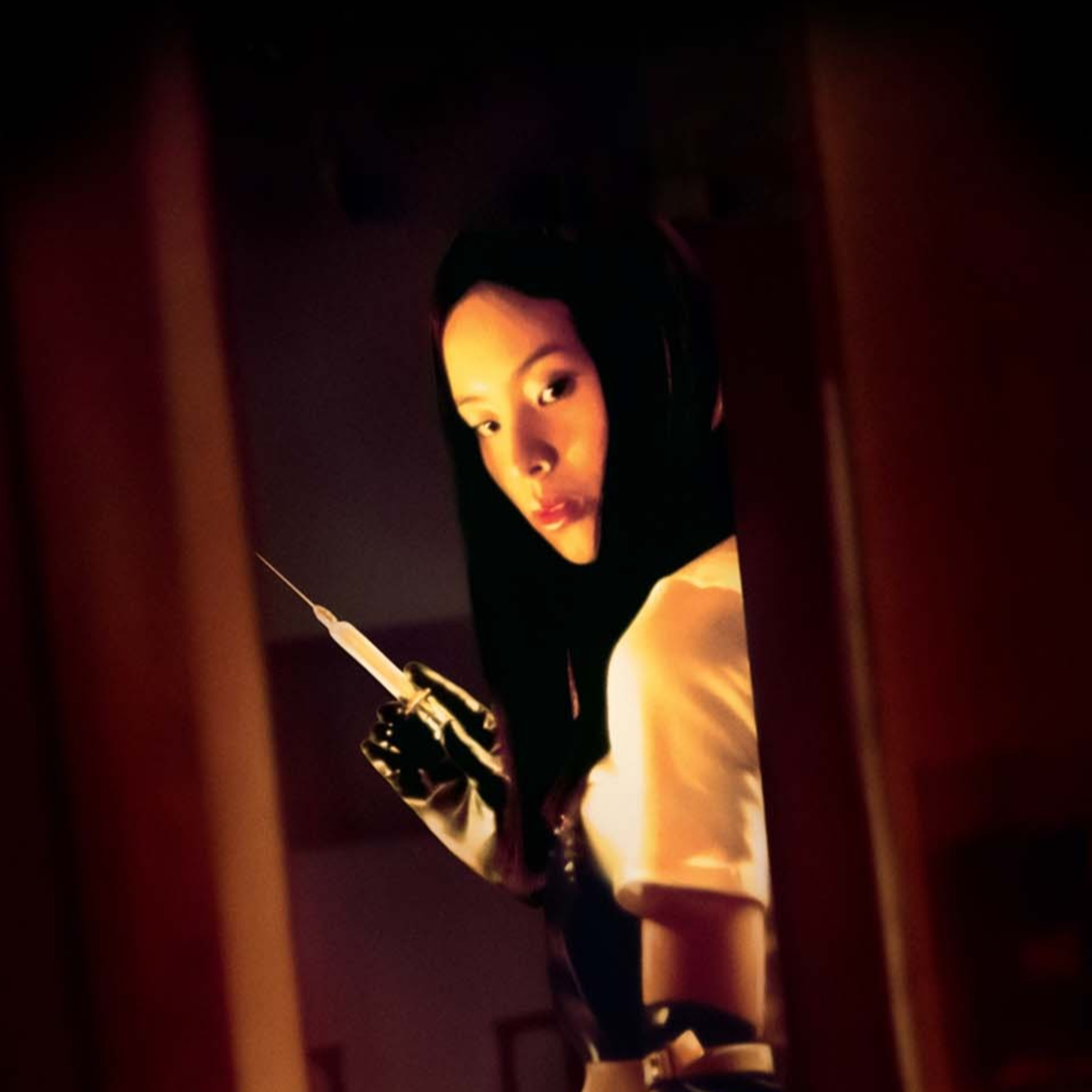
In this episode of Cinema Callback, Andy and Michael revisit Audition (1999), Takashi Miike's landmark psychological horror that famously transforms from a quiet romantic melodrama into one of the most shocking and unsettling films ever made. Through the show's signature voice note conversation format, the hosts respond to each other's ideas over time, exploring how Audition continually reframes both its characters and its audience.
Across a series of voice note exchanges, they examine the film's morally ambiguous premise, questioning the ethics of the fabricated audition used to find a new wife and how Miike uses it to interrogate the male gaze, male entitlement, and the unsettling possibility that the film's seemingly sympathetic protagonist is far more complicated than he first appears. They discuss how Audition quietly exposes the assumptions and fantasies that underpin its central relationship long before the horror emerges.
The conversation also explores the film's famously ambiguous narrative structure, debating the purpose of its dreamlike and hallucinatory sequences, and whether they represent the protagonist's unresolved grief and anxieties or simply heighten the terror by momentarily blurring the boundaries between reality and nightmare. Finally, they dissect the infamous "kiri, kiri, kiri" finale, examining its extraordinary technical execution, its uncompromising brutality, and whether its graphic violence is essential to the film's emotional and thematic impact.
Whether you see Audition as a devastating psychological horror, a critique of gender and power, or one of the defining works of Japanese cinema, this episode explores why Takashi Miike's masterpiece continues to provoke, disturb, and fascinate audiences more than two decades after its release.