Skip to content
Artwork for Building 32 from MIT CSAIL Alliances
Building 32 from MIT CSAIL Alliances · Yesterday · 27 min

Materially Efficient: Knitting, Coding, and Concrete

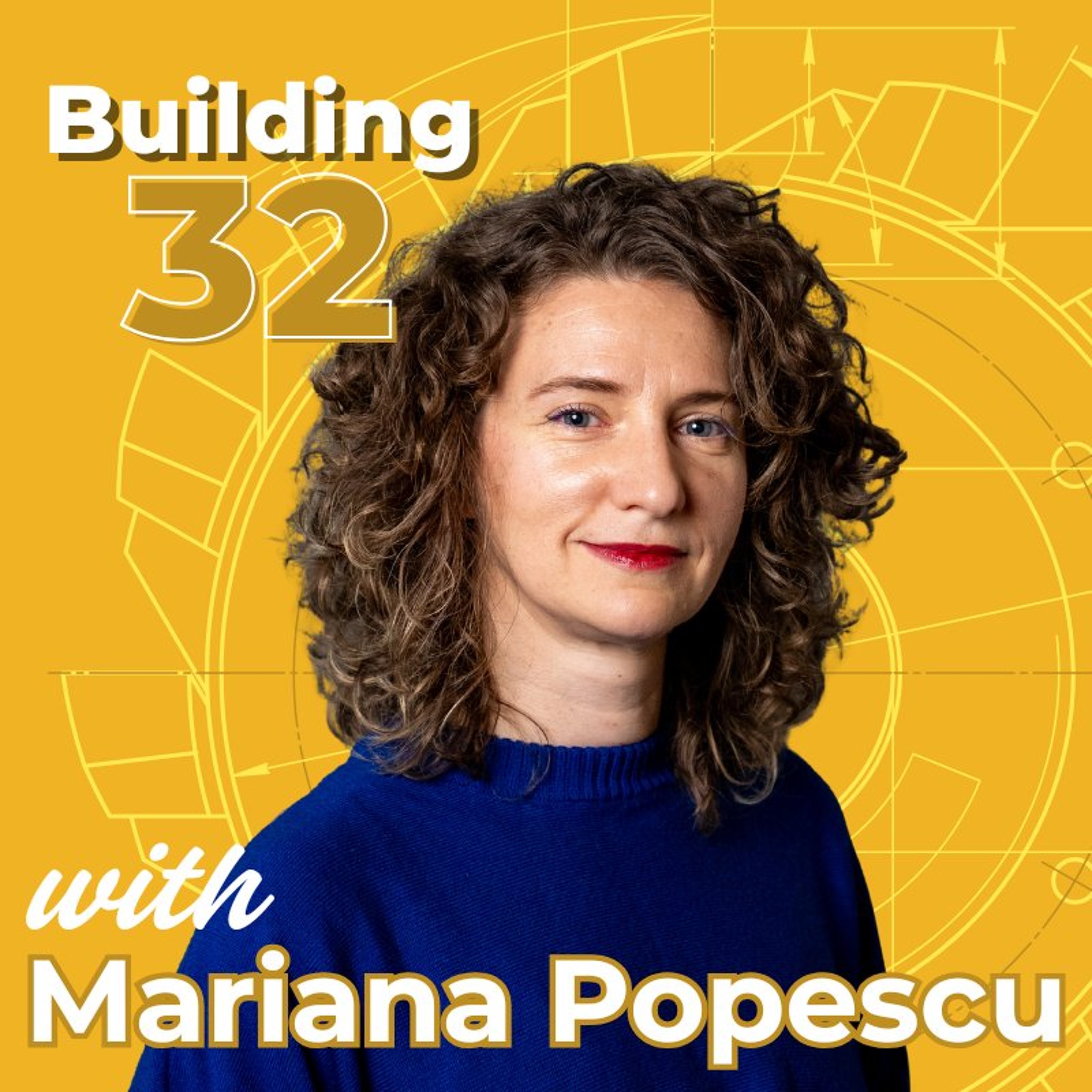
What if the future of sustainable construction looked less like traditional building and more like knitting? Speaking with Building 32 host Karen Given, MIT CSAIL Assistant Professor Mariana Popescu explains how, using a combination of computational design, digital fabrication, and industrial knitting machines, she is rethinking how we build complex structures. Her research explores using knitted textiles as lightweight, efficient concrete formworks, allowing architects and engineers to create complex geometries while using less material and producing less waste. Mariana discusses the origins of her work with fabric formwork, her early experiments with knitted structures, and how a small knitted bridge helped demonstrate the potential of the technique. She also explains why sustainability doesn't have to come at the expense of beauty or human experience. Episode Resources: More about Necto: https://necto-venice.com/ Biennale Architettura 2025: https://www.labiennale.org/it/architettura/2025 KnitCandela in Mexico City: https://maadpope.com/knitcandela/ See the piece Mariana showed Karen: https://maadpope.com/knitcrete/ Learn more about Mariana Popescu: Personal website: https://maadpope.com Spotlight: https://cap.csail.mit.edu/engage/spotlights/mariana-popescu Building 32 episodes, meet the host, and more: csail.mit.edu/podcast Connect with CSAIL Alliances: On our site: cap.csail.mit.edu/about-us/meet-our-team On LinkedIn: linkedin.com/company/mit-csail #MITCSAIL #Building32 #Architecture #SustainableDesign #ComputationalDesign #DigitalFabrication #AI #Engineering

0:00-27:10

transcript

No transcript — this publisher did not publish one.

show notes

What if the future of sustainable construction looked less like traditional building and more like knitting?

Speaking with Building 32 host Karen Given, MIT CSAIL Assistant Professor Mariana Popescu explains how, using a combination of computational design, digital fabrication, and industrial knitting machines, she is rethinking how we build complex structures. Her research explores using knitted textiles as lightweight, efficient concrete formworks, allowing architects and engineers to create complex geometries while using less material and producing less waste.

Mariana discusses the origins of her work with fabric formwork, her early experiments with knitted structures, and how a small knitted bridge helped demonstrate the potential of the technique. She also explains why sustainability doesn't have to come at the expense of beauty or human experience.

Episode Resources:
More about Necto: https://necto-venice.com/
Biennale Architettura 2025: https://www.labiennale.org/it/architettura/2025
KnitCandela in Mexico City: https://maadpope.com/knitcandela/
See the piece Mariana showed Karen: https://maadpope.com/knitcrete/

Learn more about Mariana Popescu:
Personal website: https://maadpope.com
Spotlight: https://cap.csail.mit.edu/engage/spotlights/mariana-popescu

Building 32 episodes, meet the host, and more: csail.mit.edu/podcast
Connect with CSAIL Alliances:
On our site: cap.csail.mit.edu/about-us/meet-our-team
On LinkedIn: linkedin.com/company/mit-csail

#MITCSAIL #Building32 #Architecture #SustainableDesign #ComputationalDesign #DigitalFabrication #AI #Engineering