Brainwaves · Sunday · 20 min
What Stanford's Top Neuroscientist Gets Wrong About Attention
0:00-20:44
transcript
show notes
Stanford neuroscientist Dr. Bernardo Huberman thinks he's cracked the code on attention and focus. But Nina Valdez spots a major blind spot in his research that could change how you think about productivity entirely.
What you'll discover:
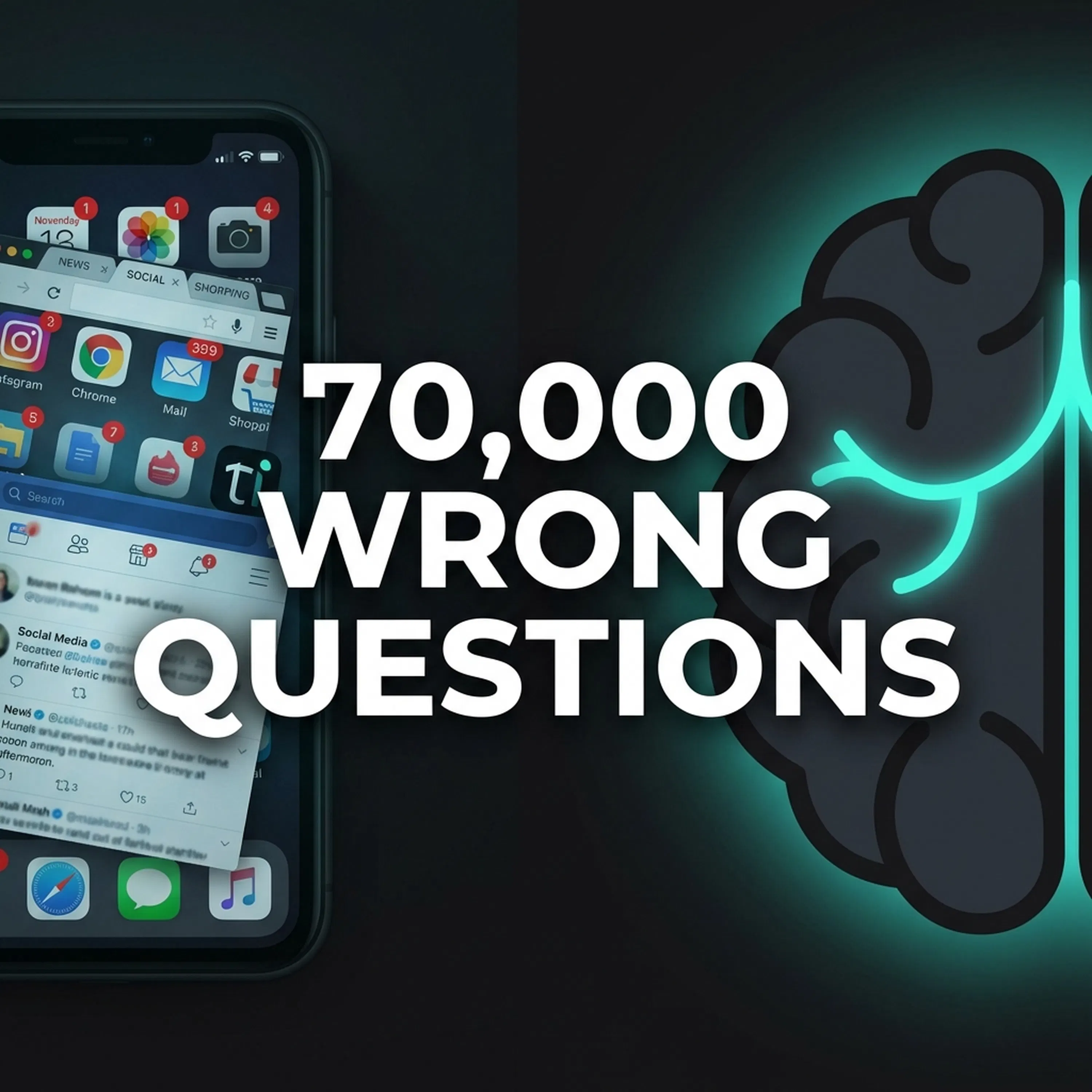
• Why switching apps 300+ times daily might actually boost certain types of creativity
• The surprising brain scan results when people follow "curiosity scheduling" protocols
• How your default mode network rewires itself when you stop forcing focus
• The one attention technique that increases life satisfaction by 40% (it's not what Huberman suggests)
Dr. Huberman's Stanford lab has mapped how curiosity triggers the same brain rewards as food and sex. Pretty fascinating stuff. But here's what Nina noticed: his studies only tracked people for 8 weeks max. What happens to attention spans after 6 months of his methods? The follow-up data tells a different story.
You'll hear why that matters for anyone trying to build sustainable focus habits, plus the simple shift that makes curiosity work with your brain instead of against it.
Chapters:
00:00 Huberman's attention research
02:30 The 300-app-switch study
04:45 Curiosity vs. forced focus
07:15 Default mode network findings
09:30 Why timing matters for attention training
Nina breaks down the actual neuroscience without the hype, showing you what works long-term versus what just feels productive in the moment.
If you want the real story behind health headlines, follow Brainwaves. New episodes every day with medical research you can actually use.
Subscribe and never miss an episode at Brainwaves
Learn more about your ad choices. Visit megaphone.fm/adchoices
links2