Skip to content
Artwork for Be Smart.
Be Smart. · Saturday · 6 min

How Some Animals Engineered Air Conditioning

Viewers like you help make PBS (Thank you 😃) . Support your local PBS Member Station here: https://to.pbs.org/PBSDSDonate Uploaded 13-06-17 Thanks to the non-profit edX.org for sponsoring this video. Go to http://bit.ly/edXSmart to learn more from some of the top universities in the world. ↓↓↓More info and sources below ↓↓↓ Here’s a cool idea: SUBSCRIBE! ►► http://bit.ly/iotbs_sub Are humans nature’s greatest architects? When we look elsewhere in nature, we find some pretty amazing animal architects. Species like ants, termites, prairie dogs, birds, and more have engineered some incredible structures. This week we look at how a few of these species have mastered physics to install air conditioning in their homes! Special thanks to Dianna Cowern AKA Physics Girl for helping us get the physics right in this video! https://www.youtube.com/user/physicswoman ----------- REFERENCES: Gould, James L., and Carol Grant Gould. Animal architects: building and the evolution of intelligence. Basic Books (AZ), 2007. Hansell, M. (2007). Built by animals: the natural history of animal architecture. OUP Oxford. Cosarinsky, M. I., and Roces, F. (2012). The construction of turrets for nest ventilation in the grass-cutting ant Atta vollenweideri: import and assembly of building materials. Journal of Insect Behavior, 25(3), 222-241. Kleineidam, C., Ernst, R., and Roces, F. (2001). Wind-induced ventilation of the giant nests of the leaf-cutting ant Atta vollenweideri. Naturwissenschaften, 88(7), 301-305. King, H., Ocko, S., and Mahadevan, L. (2015). Termite mounds harness diurnal temperature oscillations for ventilation. Proceedings of the National Academy of Sciences, 112(37), 11589-11593. Vogel, S., Ellington, C. P., and Kilgore, D. L. (1973). Wind-induced ventilation of the burrow of the prairie-dog, Cynomys ludovicianus. Journal of Comparative Physiology A: Neuroethology, Sensory, Neural, and Behavioral Physiology, 85(1), 1-14. Bahadori, M. M. (1978). Passive cooling systems in Iranian architecture. Sci. Am.;(United States), 238(2). ----------- FOLLOW US: Merch: https://store.dftba.com/collections/its-okay-to-be-smart Facebook: http://www.facebook.com/itsokaytobesmart Twitter: @okaytobesmart @DrJoeHanson Tumblr: http://www.itsokaytobesmart.com Instagram: @DrJoeHanson Snapchat: YoDrJoe ----------- It’s Okay To Be Smart is hosted by Joe Hanson, Ph.D. Director: Joe Nicolosi Writer: Joe Hanson Producer/editor/animator: Andrew Matthews Producer: Stephanie Noone and Amanda Fox Produced by PBS Digital Studios Music via APM Stock images from Shutterstock http://www.shutterstock.com Learn more about your ad choices. Visit megaphone.fm/adchoices Learn more about your ad choices. Visit megaphone.fm/adchoices

0:00-6:53

transcript

No transcript — this publisher did not publish one.

show notes

Viewers like you help make PBS (Thank you 😃) . Support your local PBS Member Station here: https://to.pbs.org/PBSDSDonate

Uploaded 13-06-17

Thanks to the non-profit edX.org for sponsoring this video. Go to http://bit.ly/edXSmart to learn more from some of the top universities in the world.
↓↓↓More info and sources below ↓↓↓

Here’s a cool idea: SUBSCRIBE! ►► http://bit.ly/iotbs_sub

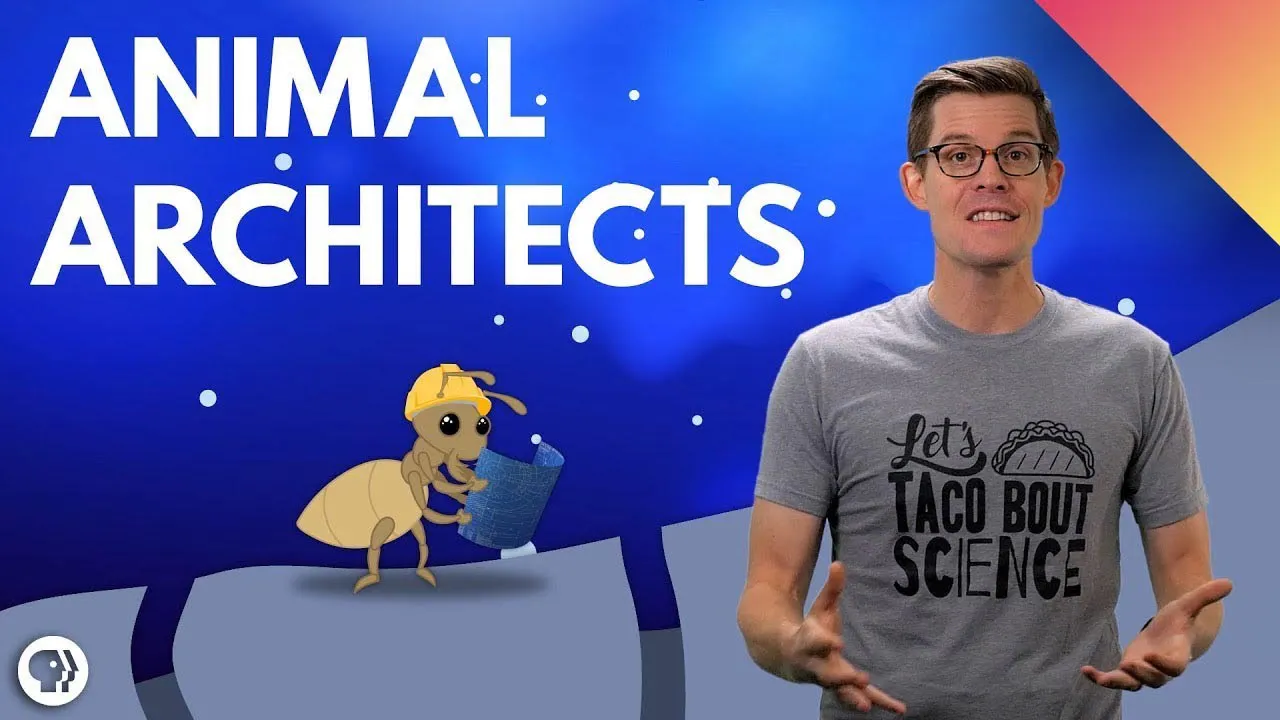
Are humans nature’s greatest architects? When we look elsewhere in nature, we find some pretty amazing animal architects. Species like ants, termites, prairie dogs, birds, and more have engineered some incredible structures. This week we look at how a few of these species have mastered physics to install air conditioning in their homes!

Special thanks to Dianna Cowern AKA Physics Girl for helping us get the physics right in this video! https://www.youtube.com/user/physicswoman

-----------
REFERENCES:

Gould, James L., and Carol Grant Gould. Animal architects: building and the evolution of intelligence. Basic Books (AZ), 2007.

Hansell, M. (2007). Built by animals: the natural history of animal architecture. OUP Oxford.

Cosarinsky, M. I., and Roces, F. (2012). The construction of turrets for nest ventilation in the grass-cutting ant Atta vollenweideri: import and assembly of building materials. Journal of Insect Behavior, 25(3), 222-241.

Kleineidam, C., Ernst, R., and Roces, F. (2001). Wind-induced ventilation of the giant nests of the leaf-cutting ant Atta vollenweideri. Naturwissenschaften, 88(7), 301-305.

King, H., Ocko, S., and Mahadevan, L. (2015). Termite mounds harness diurnal temperature oscillations for ventilation. Proceedings of the National Academy of Sciences, 112(37), 11589-11593.

Vogel, S., Ellington, C. P., and Kilgore, D. L. (1973). Wind-induced ventilation of the burrow of the prairie-dog, Cynomys ludovicianus. Journal of Comparative Physiology A: Neuroethology, Sensory, Neural, and Behavioral Physiology, 85(1), 1-14.

Bahadori, M. M. (1978). Passive cooling systems in Iranian architecture. Sci. Am.;(United States), 238(2).

-----------
FOLLOW US:

Merch: https://store.dftba.com/collections/its-okay-to-be-smart
Facebook: http://www.facebook.com/itsokaytobesmart
Twitter: @okaytobesmart @DrJoeHanson
Tumblr: http://www.itsokaytobesmart.com
Instagram: @DrJoeHanson
Snapchat: YoDrJoe
-----------

It’s Okay To Be Smart is hosted by Joe Hanson, Ph.D.
Director: Joe Nicolosi
Writer: Joe Hanson
Producer/editor/animator: Andrew Matthews
Producer: Stephanie Noone and Amanda Fox

Produced by PBS Digital Studios
Music via APM
Stock images from Shutterstock http://www.shutterstock.com

Learn more about your ad choices. Visit megaphone.fm/adchoices

Learn more about your ad choices. Visit megaphone.fm/adchoices

links9