Skip to content
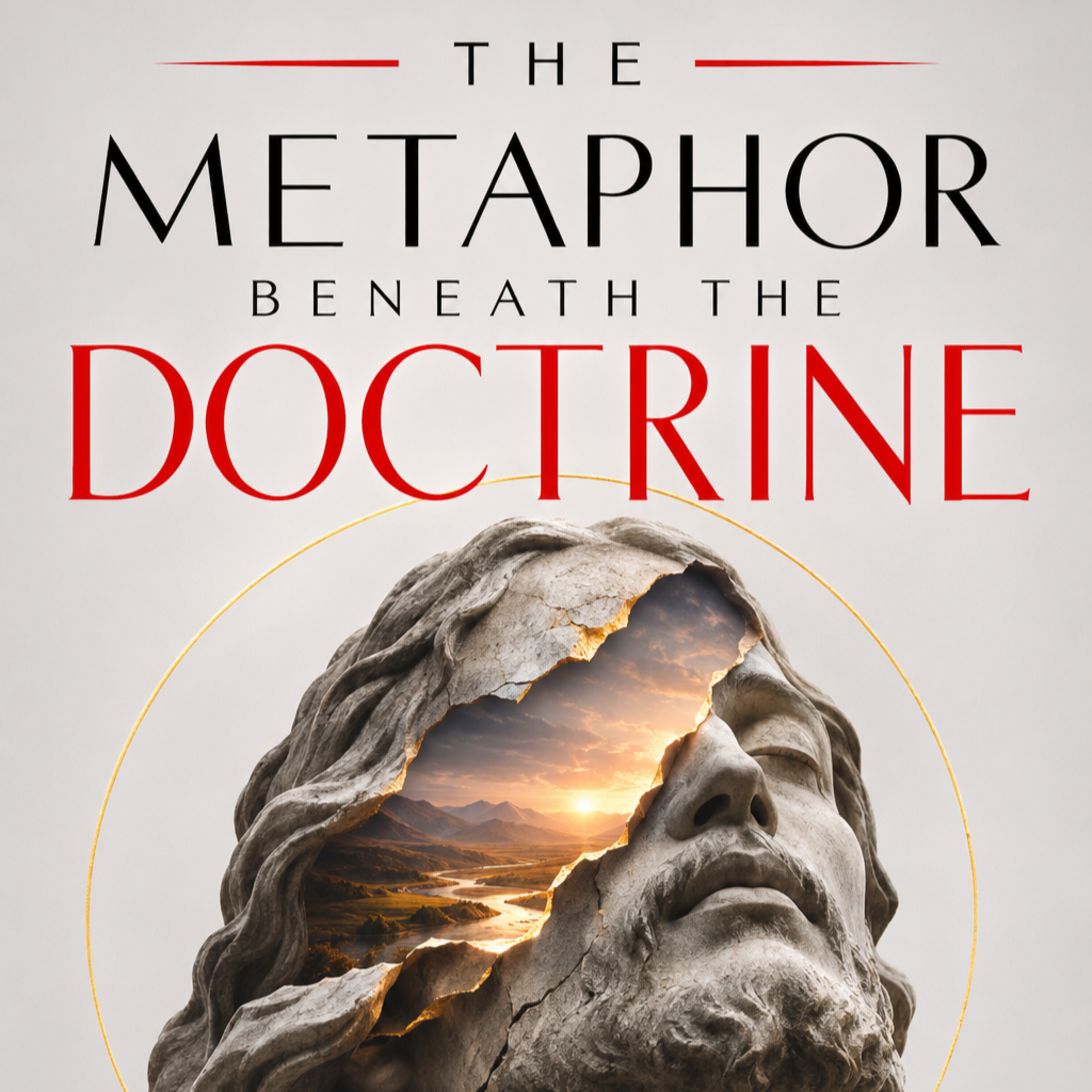
Artwork for Atlas University Podcast
Atlas University Podcast · September 21 · 35 min

First Contact Protocols: When a Resurrected Saint Knocks

This book outlines the First Contact Protocols for the Resurrection Society, a community dedicated to the theological and practical readiness required to receive divine witnesses. Drawing from the biblical account of Matthew 27, the text asserts that if graves were opened and saints raised at the death of Yeshua, a modern people must prepare for the possibility of such hidden or resurrected servants appearing today. Central to this preparation is the "empty chair," a symbolic and functional discipline that prevents any human founder from becoming a permanent idol, ensuring the movement remains open to Yahweh’s interruption. The protocols emphasize watchful hospitality, a posture that balances warm, human mercy with rigorous spiritual testing to guard against deception and spectacle. By establishing scribal habits and clear leadership roles like the First Servant, the Society seeks to create an environment where truth can be heard without being converted into a system of institutional control. Ultimately, the sources describe a spiritual discipline of active waiting, where the house is kept in order so that it is neither too proud to hear a true witness nor too gullible to refuse a false one.


0:00-35:43

transcript

No transcript — this publisher did not publish one.

show notes

This book outlines the First Contact Protocols for the Resurrection Society, a community dedicated to the theological and practical readiness required to receive divine witnesses. Drawing from the biblical account of Matthew 27, the text asserts that if graves were opened and saints raised at the death of Yeshua, a modern people must prepare for the possibility of such hidden or resurrected servants appearing today. Central to this preparation is the "empty chair," a symbolic and functional discipline that prevents any human founder from becoming a permanent idol, ensuring the movement remains open to Yahweh’s interruption. The protocols emphasize watchful hospitality, a posture that balances warm, human mercy with rigorous spiritual testing to guard against deception and spectacle. By establishing scribal habits and clear leadership roles like the First Servant, the Society seeks to create an environment where truth can be heard without being converted into a system of institutional control. Ultimately, the sources describe a spiritual discipline of active waiting, where the house is kept in order so that it is neither too proud to hear a true witness nor too gullible to refuse a false one.