Highlights - Dickie Landry - Composer, Musician, Photographer, Artist
Streams straight from the publisher. podnod never proxies or re-hosts episode audio.
"The first painting I saw of what I had done, the finished painting was a real turn on. I mean, really heavy, like that painting was coming from my brain. It wasn't a photograph. It wasn't an image of something. It was coming from me, from this. That really, I mean, excited me more than when I first heard John Coltrane or Ornette Coleman. And it was like, Pow, this is what painting is about. It's about individual piece of work. It's not a photograph."
"The way I became interested in art was in high school. I was graduating. What are you going to do? What are you going to do with your life? So one day I went to the library and was thumbing through Time magazine and turned the page, and there's a work of art by Robert Rauschenberg. And when I saw what he'd done and was getting international attention for, his pieces hanging in museums somewhere in the world, the light bulb went off in my head. I can be whatever I want. I don't have to be categorized. I'm free. Free...I get bored doing just one thing. People say, 'Well, you can only have one stamp of what you do.' I didn't believe in that. I was just, you know, I liked everything I did."
For nearly half a century, Richard “Dickie” Landry was at the center of the New York avant-garde. Born in the small Louisiana town of Cecilia in 1938, he began making pilgrimages to the city while still in his teens in search of the city’s most cutting edge gestures in jazz, and relaxed there not long after, falling in with a close knit community of artists and composers like Keith Sonnier, Philip Glass, Joan Jonas, Gordon Matt Clarke, Richard Serra, Robert Rauschenberg, Nancy Graves, Lawrence Weiner, Steve Reich, Jon Gibson, and Robert Wilson.
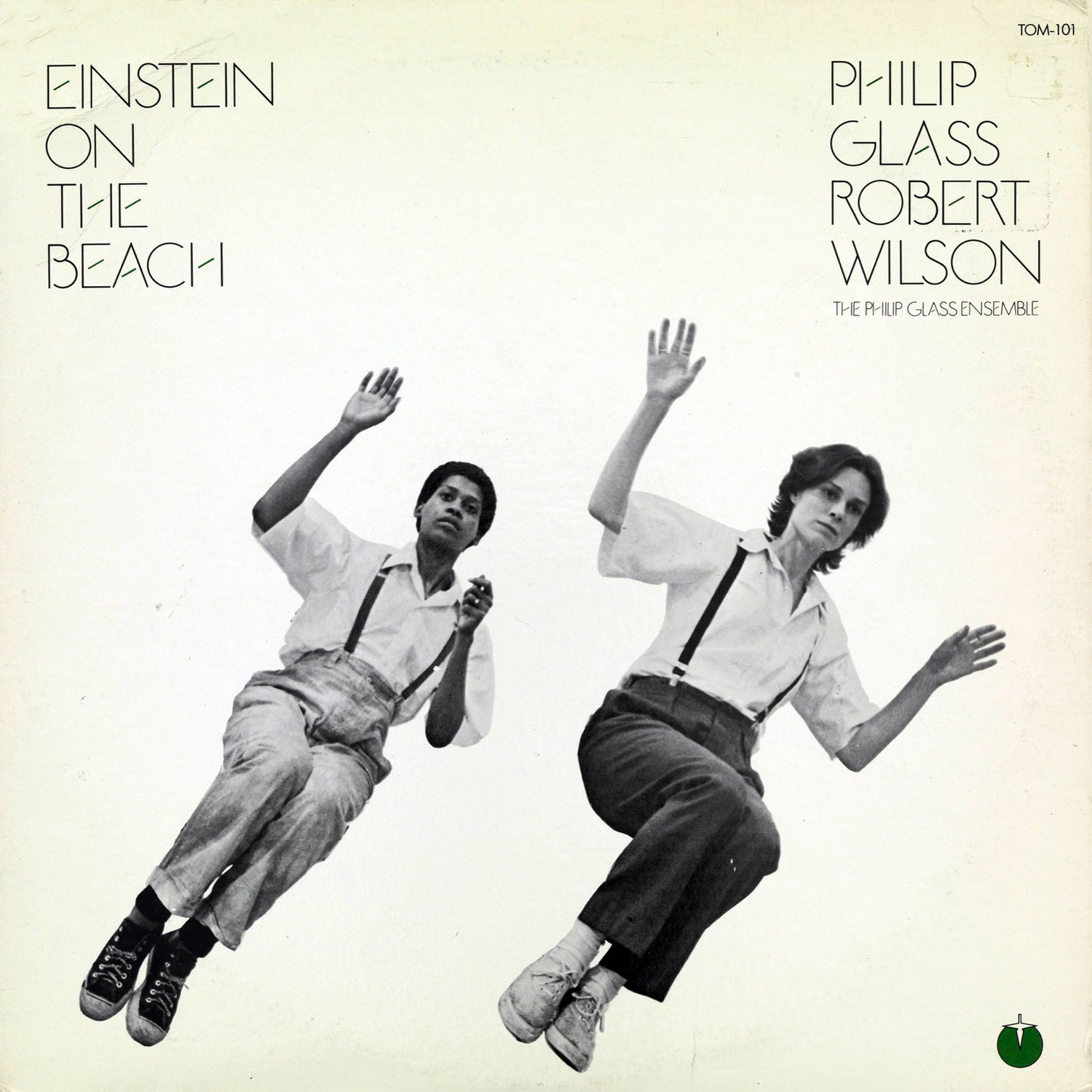
Landry remains one of the few artists of his generation who made important waves within numerous creative idioms. Having been trained from a young age on saxophone, not only is he a remarkably respected solo performer and bandleader, but he was an early and long-standing member of Philip Glass’ ensemble, playing on seminal records like Music With Changing Parts, Music in Similar Motion / Music in Fifths, Music in Twelve Parts, North Star, and Einstein on the Beach, and played with Talking Heads, Laurie Anderson, and jazz giants like Johnny Hammond, Gene Ammons, and Les McCann. He was also one of the most important photographic documenters of the New York Scene, until he left the city for his native Louisiana, following 9/11.
https://unseenworlds.com/collections/dickie-landry
Music on this episode courtesy of Dickie Landry:
E-mu & Alto Saxophone composed by D.L. for Robert Wilson's production of "1433 The Grand Voyage" based on the story of Zheng He. Premier National Theater Taipei, Taiwan 2009
Philip Glass’"Einstein on the Beach”. Original recording on Tomato Records 1977. D.L. on flute
“Home of the Brave” on the Late Show with Laurie Anderson
www.creativeprocess.info
www.oneplanetpodcast.org
Instagram @creativeprocesspodcast
http://www.dickielandry.com
dickielandry.comhttps://unseenworlds.com/collections/dickie-landry
unseenworlds.comwww.creativeprocess.info
creativeprocess.infowww.oneplanetpodcast.org
oneplanetpodcast.org@creativeprocesspodcast
instagram.com
