Skip to content
Artwork for Ancient Mysteries
Ancient Mysteries · Friday · 3 hr 14 min

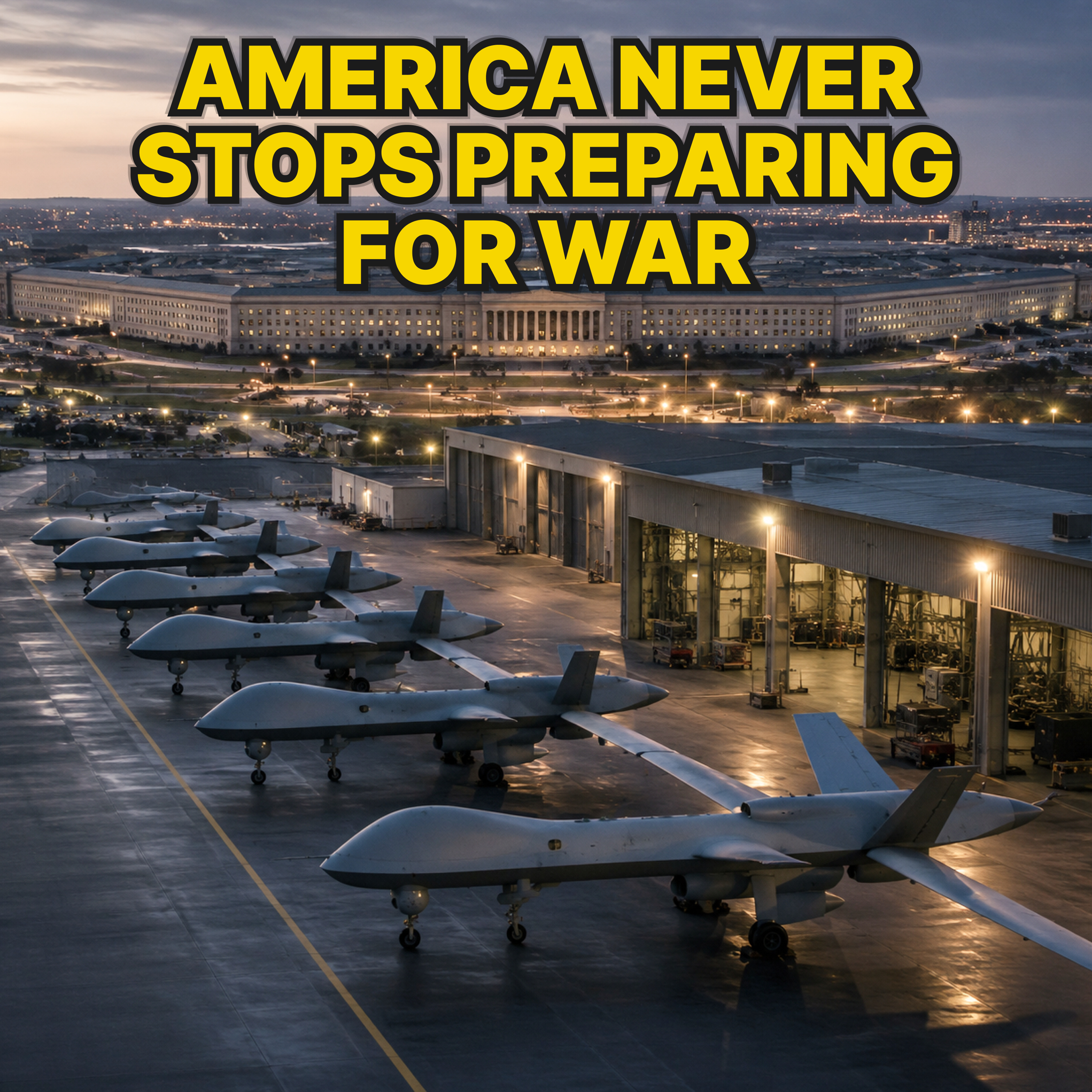
The American War Machine, Explained

How did the United States go from avoiding a permanent standing army to maintaining one of the largest and most complex military systems in history? In this documentary, we take a deep look inside the American war machine — its enormous budget, global network of bases, defense contractors, weapons programs, political incentives, and the massive bureaucracy required to keep it all running. For much of its early history, the United States resisted maintaining a large permanent military. But World War II, the creation of the modern national security system in 1947, and the Korean War fundamentally changed that approach. Today, military spending involves far more than aircraft, ships, and weapons. Much of the budget goes toward personnel, maintenance, fuel, healthcare, infrastructure, logistics, and the enormous cost of keeping a worldwide organization functioning. We’ll also examine the military-industrial complex, defense contractors, procurement, Pentagon audits, overseas bases, congressional incentives, and the revolving door between government and the defense industry. But this isn't simply a story about waste or military power. There are arguments for why this enormous system exists — from global alliances and deterrence to protecting international trade — alongside serious questions about cost, accountability, and whether a system this large can ever truly shrink. How did America's military become a permanent machine — and what keeps it running? 💬 Do you think the current system is necessary, or has it become too large to control? 🔔 Subscribe for more documentaries exploring history, power, geopolitics, and the systems shaping our world.


0:00-3:14:00

transcript

No transcript — this publisher did not publish one.

show notes

How did the United States go from avoiding a permanent standing army to maintaining one of the largest and most complex military systems in history?

In this documentary, we take a deep look inside the American war machine — its enormous budget, global network of bases, defense contractors, weapons programs, political incentives, and the massive bureaucracy required to keep it all running.

For much of its early history, the United States resisted maintaining a large permanent military. But World War II, the creation of the modern national security system in 1947, and the Korean War fundamentally changed that approach.

Today, military spending involves far more than aircraft, ships, and weapons. Much of the budget goes toward personnel, maintenance, fuel, healthcare, infrastructure, logistics, and the enormous cost of keeping a worldwide organization functioning.

We’ll also examine the military-industrial complex, defense contractors, procurement, Pentagon audits, overseas bases, congressional incentives, and the revolving door between government and the defense industry.

But this isn't simply a story about waste or military power. There are arguments for why this enormous system exists — from global alliances and deterrence to protecting international trade — alongside serious questions about cost, accountability, and whether a system this large can ever truly shrink.

How did America's military become a permanent machine — and what keeps it running?

💬 Do you think the current system is necessary, or has it become too large to control?

🔔 Subscribe for more documentaries exploring history, power, geopolitics, and the systems shaping our world.