Skip to content
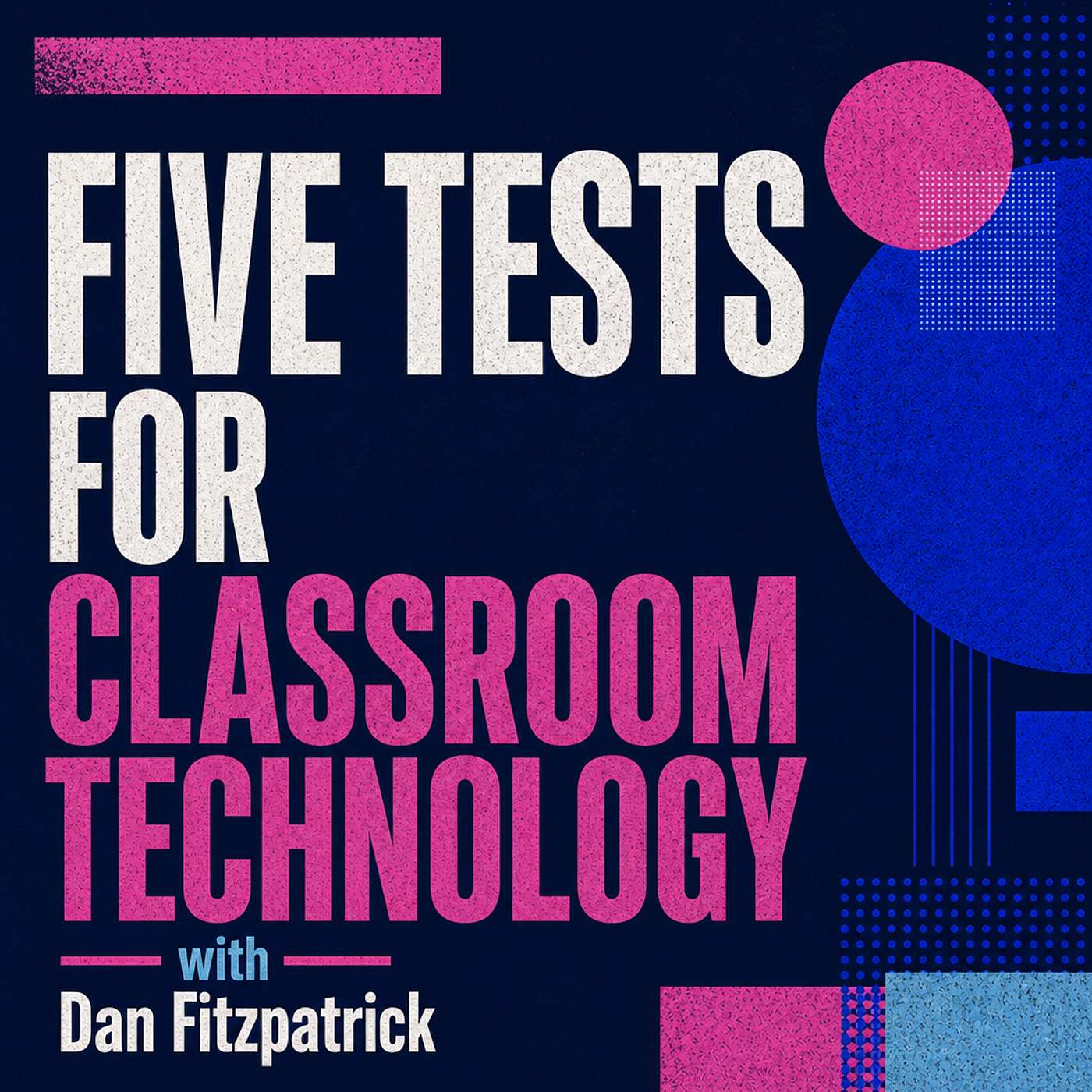
Artwork for AI for Educators Daily with Dan Fitzpatrick
AI for Educators Daily with Dan Fitzpatrick · August 24 · 8 min

Five Tests for Classroom Technology

Screen time is a poor proxy for learning. AI in education policy should judge thinking, access, ethics and student data. In this episode: The United States Department of Education outlines five core principles for AI in education policy: technology must be educator-led, ethical, accessible, transparent, and protective of student data. Evaluating education technology guidelines means shifting focus from mere screen time in schools to the quality of student thinking and the learning outcomes produced. Responsible AI education emphasizes rigorous edtech procurement, requiring independent evaluations and a focus on evidence of impact, not just vendor popularity or brand recognition. Accessibility features like text-to-speech and captioning are critical equity components of effective edtech procurement, ensuring all students can access grade-level content. Effective AI in education policy balances evidence, professional judgment, and local context to ensure technology genuinely enhances learning rather than becoming an expensive, unproven addition. Chapters: 00:00 — Cold open & welcome 00:25 — United States Department of Education's 5 principles for AI in education policy 01:00 — Why screen time in schools is a poor metric for learning 01:50 — Balancing duration with educational value in education technology guidelines 02:35 — The critical difference between passive consumption and active thinking with an AI chatbot 03:15 — Raising standards for edtech procurement: evidence and independent evaluation 04:15 — Leadership responsibility in implementing new education technology guidelines 05:05 — Equity and accessibility as a foundation for responsible AI education 06:00 — Balancing evidence, professional judgment, and local context in AI in education policy What are the United States Department of Education's five principles for AI in education policy? The five principles are that technology should be educator-led, ethical, accessible, transparent, and protective of student data. How should schools evaluate education technology guidelines beyond just screen time in schools? Schools should focus on the quality of student thinking, the learning outcomes produced, and the cognitive tasks students are engaging in, rather than simply measuring screen exposure. What evidence should districts look for during edtech procurement to ensure responsible AI education? Districts should seek independent evaluations, randomized controlled trials, and evidence that considers the specific conditions under which the technology proved effective, not just brand popularity or basic usage numbers. Featuring: Dan Fitzpatrick, United States Department of Education, Elementary and Secondary Education Act, Every Student Succeeds Act, Apple Podcasts, Spotify, Google, AI chatbot, Linda McMahon. Follow AI in Education with Dan Fitzpatrick for more on AI in education.

0:00-8:19

transcript

No transcript — this publisher did not publish one.

show notes

Screen time is a poor proxy for learning. AI in education policy should judge thinking, access, ethics and student data.

In this episode:

  • The United States Department of Education outlines five core principles for AI in education policy: technology must be educator-led, ethical, accessible, transparent, and protective of student data.
  • Evaluating education technology guidelines means shifting focus from mere screen time in schools to the quality of student thinking and the learning outcomes produced.
  • Responsible AI education emphasizes rigorous edtech procurement, requiring independent evaluations and a focus on evidence of impact, not just vendor popularity or brand recognition.
  • Accessibility features like text-to-speech and captioning are critical equity components of effective edtech procurement, ensuring all students can access grade-level content.
  • Effective AI in education policy balances evidence, professional judgment, and local context to ensure technology genuinely enhances learning rather than becoming an expensive, unproven addition.

Chapters:

  • 00:00 — Cold open & welcome
  • 00:25 — United States Department of Education's 5 principles for AI in education policy
  • 01:00 — Why screen time in schools is a poor metric for learning
  • 01:50 — Balancing duration with educational value in education technology guidelines
  • 02:35 — The critical difference between passive consumption and active thinking with an AI chatbot
  • 03:15 — Raising standards for edtech procurement: evidence and independent evaluation
  • 04:15 — Leadership responsibility in implementing new education technology guidelines
  • 05:05 — Equity and accessibility as a foundation for responsible AI education
  • 06:00 — Balancing evidence, professional judgment, and local context in AI in education policy

What are the United States Department of Education's five principles for AI in education policy?
The five principles are that technology should be educator-led, ethical, accessible, transparent, and protective of student data.

How should schools evaluate education technology guidelines beyond just screen time in schools?
Schools should focus on the quality of student thinking, the learning outcomes produced, and the cognitive tasks students are engaging in, rather than simply measuring screen exposure.

What evidence should districts look for during edtech procurement to ensure responsible AI education?
Districts should seek independent evaluations, randomized controlled trials, and evidence that considers the specific conditions under which the technology proved effective, not just brand popularity or basic usage numbers.

Featuring: Dan Fitzpatrick, United States Department of Education, Elementary and Secondary Education Act, Every Student Succeeds Act, Apple Podcasts, Spotify, Google, AI chatbot, Linda McMahon.

Follow AI in Education with Dan Fitzpatrick for more on AI in education.