Skip to content
Artwork for ADHD Eavesdrop
ADHD Eavesdrop · January 12 · 28 min

You Don’t Have to Suffer to Be Creative

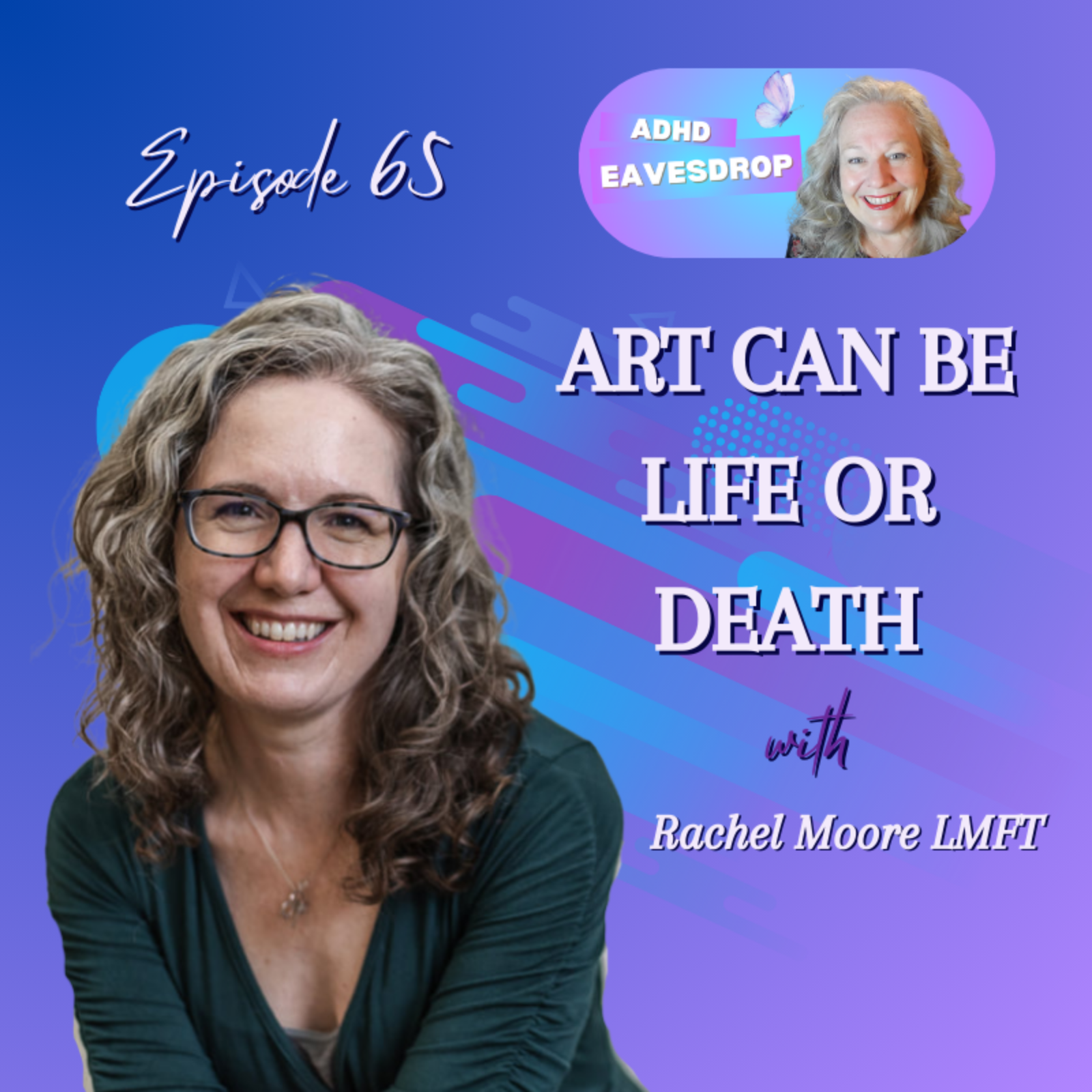
Creativity is often romanticized as something that only comes from pain, struggle, or trauma — but what if that’s completely wrong? In this episode of ADHD Eavesdrop, Janine sits down with therapist and creative Rachel Moore for a candid, unmasked conversation about ADHD, late diagnosis, and the myth of the “suffering artist.” Rachel shares why creativity doesn’t come from trauma, but from sensitivity — and how that sensitivity shapes how neurodivergent people experience art, work, relationships, and the world itself. Together, they explore why so many creatives are neurodivergent, how structure and novelty support ADHD brains, and why you don’t have to be miserable to make meaningful art. This episode is a grounding reminder that creativity can come from joy, regulation, and being fully yourself. Settle in, get cozy, and be a butterfly on the wall for this honest and affirming conversation. ⏱️ Chapters / Timestamps 00:00 – Welcome to ADHD Eavesdrop A conversation about ADHD, creativity, and late diagnosis 00:39 – Rachel’s Late ADHD Diagnosis Testing well, failing homework, and being diagnosed at 45 02:12 – ADHD, Work, and Why Certain Jobs Fit Deadlines, novelty, urgency, and creative careers 04:22 – Are All Creatives Neurodivergent? The overlap between creativity, ADHD, and theater communities 05:39 – Therapy as a Creative Process Structure, intuition, and why creativity matters in clinical work 08:16 – The Myth of the Suffering Artist Why trauma is not the source of creativity 09:39 – Creativity Comes From Sensitivity A powerful reframing of art, trauma, and neurodivergence 11:46 – ADHD, Perception, and Trauma Why neurodivergent kids experience the world differently 13:35 – Art, Emotion, and Identity Why sensitivity shapes creative expression 27:52 – Being Fully Unmasked Creativity, safety, and the freedom to be yourself
0:00-28:36

transcript

No transcript — this publisher did not publish one.

show notes

Creativity is often romanticized as something that only comes from pain, struggle, or trauma — but what if that’s completely wrong?

In this episode of ADHD Eavesdrop, Janine sits down with therapist and creative Rachel Moore for a candid, unmasked conversation about ADHD, late diagnosis, and the myth of the “suffering artist.” Rachel shares why creativity doesn’t come from trauma, but from sensitivity — and how that sensitivity shapes how neurodivergent people experience art, work, relationships, and the world itself.

Together, they explore why so many creatives are neurodivergent, how structure and novelty support ADHD brains, and why you don’t have to be miserable to make meaningful art. This episode is a grounding reminder that creativity can come from joy, regulation, and being fully yourself.

Settle in, get cozy, and be a butterfly on the wall for this honest and affirming conversation.

⏱️ Chapters / Timestamps

00:00 – Welcome to ADHD Eavesdrop A conversation about ADHD, creativity, and late diagnosis

00:39 – Rachel’s Late ADHD Diagnosis Testing well, failing homework, and being diagnosed at 45

02:12 – ADHD, Work, and Why Certain Jobs Fit Deadlines, novelty, urgency, and creative careers

04:22 – Are All Creatives Neurodivergent? The overlap between creativity, ADHD, and theater communities

05:39 – Therapy as a Creative Process Structure, intuition, and why creativity matters in clinical work

08:16 – The Myth of the Suffering Artist Why trauma is not the source of creativity

09:39 – Creativity Comes From Sensitivity A powerful reframing of art, trauma, and neurodivergence

11:46 – ADHD, Perception, and Trauma Why neurodivergent kids experience the world differently

13:35 – Art, Emotion, and Identity Why sensitivity shapes creative expression

27:52 – Being Fully Unmasked Creativity, safety, and the freedom to be yourself