
Skip to content
Artwork for Active Listening
Active Listening · March 28 · 21 min

Prioritizing Human Connection Over Rigid Rules

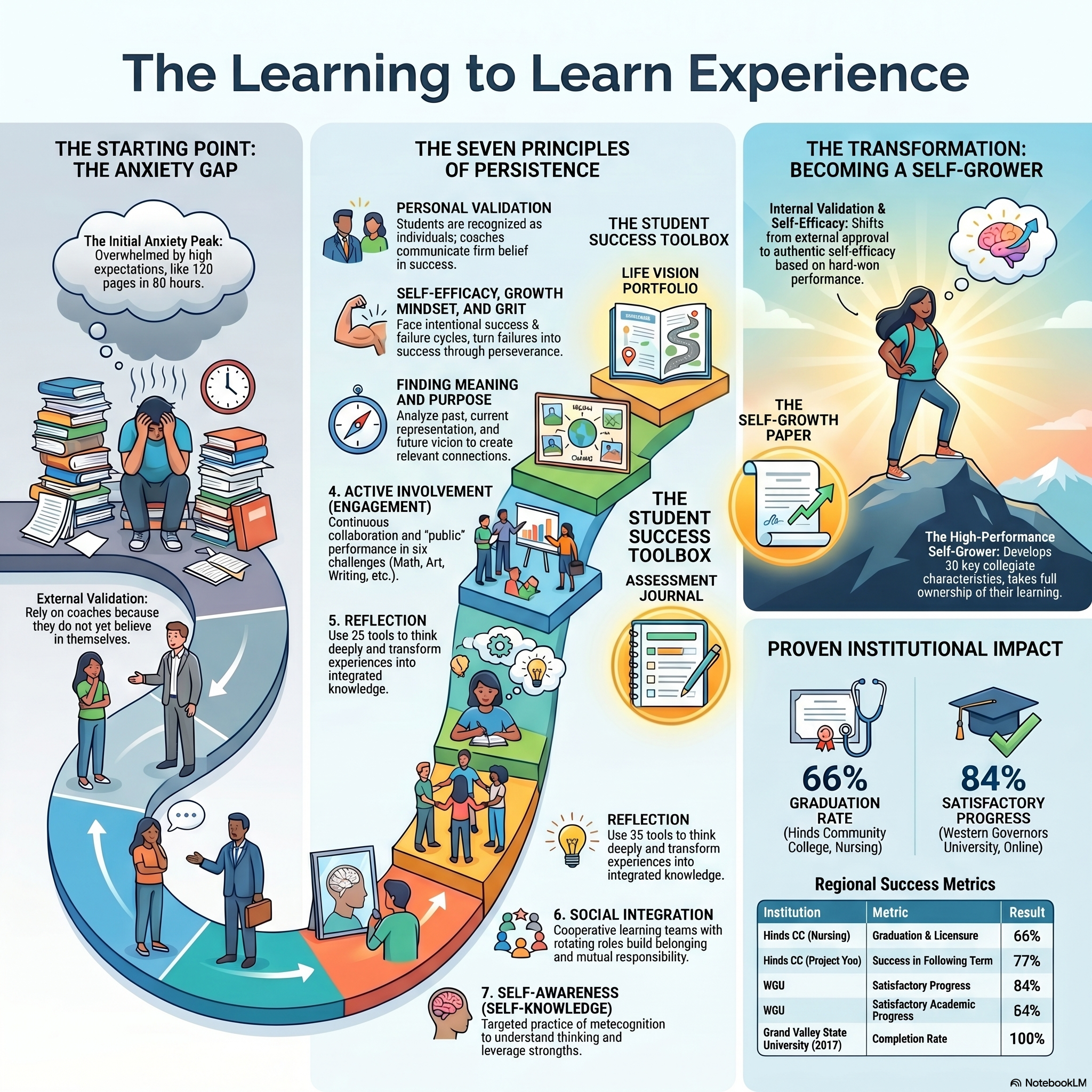
This month’s podcast, "Prioritizing Human Connection Over Rigid Rules," explores the profound intersection between the philosophical foundations of proximity ethics and the practical framework of Process Education. Based on the article, "Between You and Me: A Comparison of Proximity Ethics and Process Education" by Hintze, Romann-Aas, and Aas, this exploration reveals that the educator-student relationship is not merely transactional but a face-to-face ethical encounter that carries an "irrecusable obligation" to care and a fundamental responsibility to facilitate student success. By comparing the works of thinkers like Buber and Løgstrup with Process Education methodologies, we see how moving to a learner-centered model requires educators to risk giving up control to foster authentic dialogue and mutual respect. This approach replaces traditional, objective "I-It" interactions with an "I-You" perspective that intentionally avoids prejudgment, using assessment-based feedback to meet the unique needs of the "Other". Ultimately, both proximity ethics and Process Education align in their mission to empower students toward full autonomy, helping them transition into independent "self-growers" capable of lifelong success.

0:00-21:14

transcript

No transcript — this publisher did not publish one.

show notes

This month’s podcast, "Prioritizing Human Connection Over Rigid Rules," explores the profound intersection between the philosophical foundations of proximity ethics and the practical framework of Process Education. Based on the article, "Between You and Me: A Comparison of Proximity Ethics and Process Education" by Hintze, Romann-Aas, and Aas, this exploration reveals that the educator-student relationship is not merely transactional but a face-to-face ethical encounter that carries an "irrecusable obligation" to care and a fundamental responsibility to facilitate student success. By comparing the works of thinkers like Buber and Løgstrup with Process Education methodologies, we see how moving to a learner-centered model requires educators to risk giving up control to foster authentic dialogue and mutual respect. This approach replaces traditional, objective "I-It" interactions with an "I-You" perspective that intentionally avoids prejudgment, using assessment-based feedback to meet the unique needs of the "Other". Ultimately, both proximity ethics and Process Education align in their mission to empower students toward full autonomy, helping them transition into independent "self-growers" capable of lifelong success.