9Natree · Yesterday
[Review] The Testosterone Optimization Therapy Bible (Jay Campbell) Summarized.
0:00Duration unknown
transcript
show notes
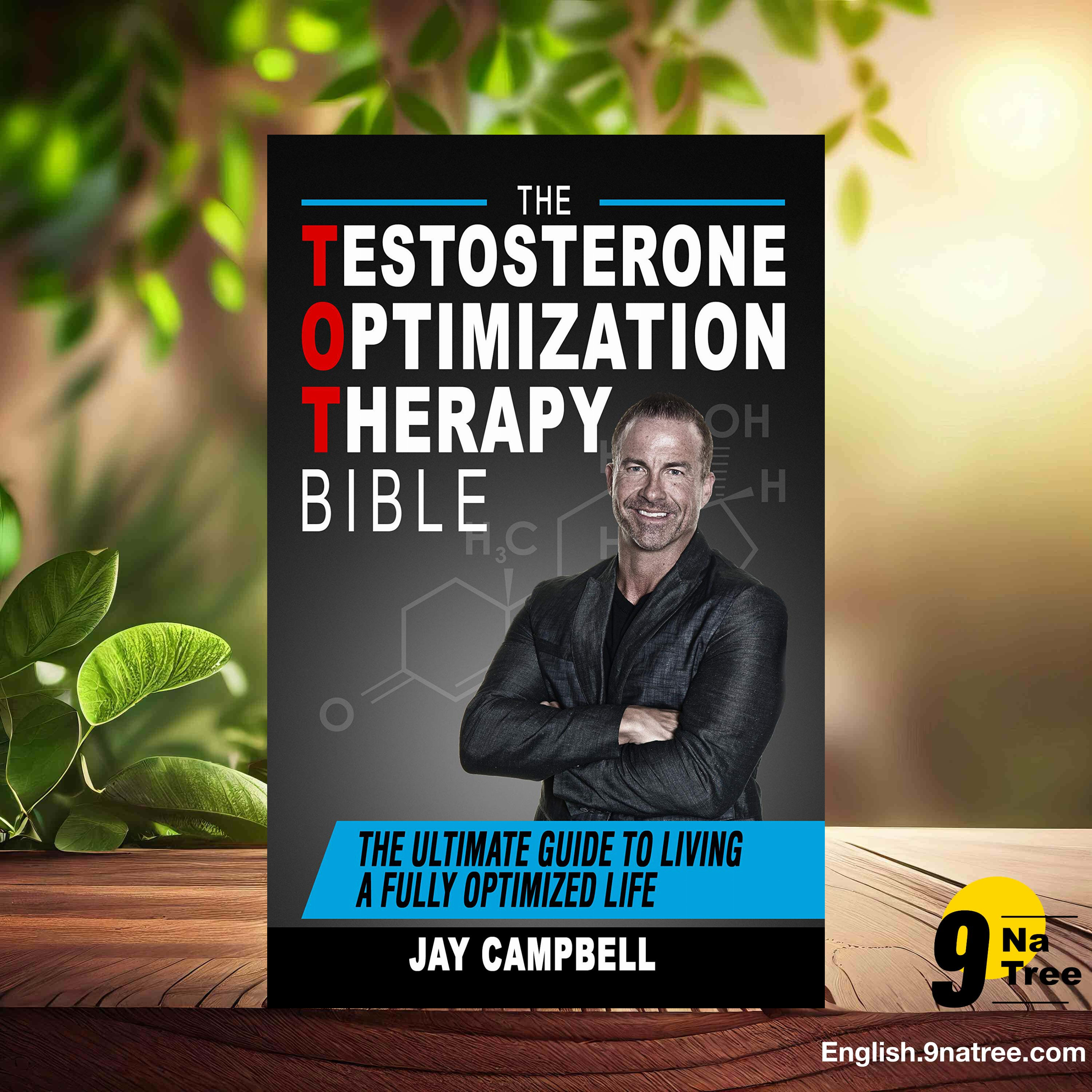
The Testosterone Optimization Therapy Bible (Jay Campbell)
- Buy on Amazon Books:
https://www.amazon.com/dp/B079JVH28N?tag=9natree-20
- Buy on Apple Books:
https://books.apple.com/us/audiobook/the-testosterone-optimization-therapy-bible-the/id1693647060?itsct=books_box_link&itscg=30200&ls=1&at=1001l3bAw&ct=9natree
- Sponsor and Support us:
https://9natree.com/page/sponsor-and-support.html
- Interesting Topics:
- From Testosterone Replacement to the Authors’ “Optimization” Model
- Low Testosterone Is Treated as a Clinical and Lifestyle Assessment Problem
- Therapeutic Testosterone Is Presented as a Managed Protocol, Not a Simple Prescription
- Myth-Busting Is Used to Challenge Stigma Around Testosterone Therapy
- The Book Broadens Hormone Care Through Supplements, Women’s HOT, and “Spiritual Fitness”
- Read more: https://english.9natree.com/read/B079JVH28N/
The Testosterone Optimization Therapy Bible: The Ultimate Guide to Living a Fully Optimized Life is a 2018 men’s-health and hormone-therapy guide by Jay Campbell, written with Jim Brown. It addresses low testosterone, therapeutic testosterone use, and the broader lifestyle factors that the authors believe shape hormonal health, physical performance, sexual function, mood, and vitality. Its central framing distinguishes conventional testosterone replacement therapy (TRT), commonly understood as treatment for clinically diagnosed deficiency, from “testosterone optimization therapy” (TOT), the authors’ more ambitious model of pursuing individually favorable hormone levels. The book combines an advocacy-oriented account of hormone care with discussion of symptoms, testing, delivery methods, physician collaboration, supplements, and perceived risks. It also extends beyond male testosterone into women’s hormonal optimization and “spiritual fitness.” The volume is designed less as a narrowly clinical textbook than as a detailed consumer reference for readers seeking to navigate a complex and often contentious area of age-management medicine. Its recommendations should be read alongside current clinical guidelines and individualized advice from a qualified licensed clinician.