9Natree · November 10
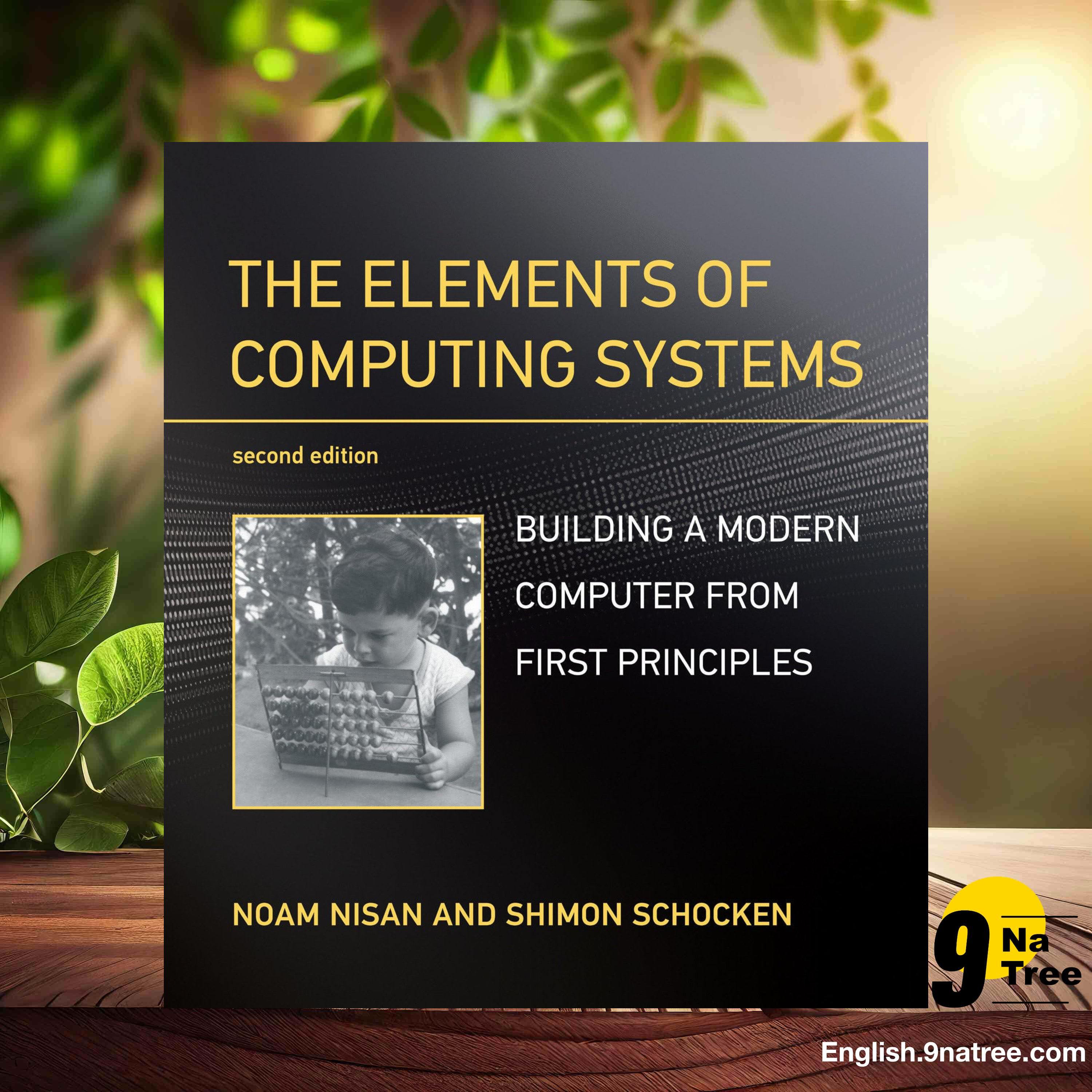
[Review] The Elements of Computing Systems, second edition (Noam Nisan) Summarized.
0:00Duration unknown
transcript
show notes
The Elements of Computing Systems, second edition (Noam Nisan)
- Buy on Amazon Books:
https://www.amazon.com/dp/0262539802?tag=9natree-20
- Buy on Apple Books:
https://books.apple.com/us/audiobook/the-stand-unabridged/id1434012410?itsct=books_box_link&itscg=30200&ls=1&at=1001l3bAw&ct=9natree
- Sponsor and Support us:
https://9natree.com/page/sponsor-and-support.html
- Interesting Topics:
- A bottom-up route from the NAND gate to a usable computer
- Abstraction layers are treated as engineered contracts, not as disconnected theory
- The Hack instruction set makes machine language and computer organization tangible
- The virtual machine and compiler projects explain how languages cross hardware boundaries
- Operating system services reveal the practical meaning of a software hierarchy
- Read more: https://english.9natree.com/read/0262539802/
The Elements of Computing Systems, second edition, by Noam Nisan and Shimon Schocken, is a project-centered computer science textbook commonly associated with the Nand to Tetris course. Its subject is the complete construction of a simple general-purpose computer system and its software stack, beginning with elementary Boolean logic and ending with programs written in a high-level language. Rather than treating hardware architecture, assembly language, compilers, operating systems, and programming as isolated specialties, the book connects them through a single deliberately small platform called Hack. Each chapter defines an abstraction, explains an implementation, and asks the reader to build and test a working component using supplied tools. The second edition updates and revises the established text while retaining its central educational design. The purpose is not to reproduce the complexity of contemporary processors or production operating systems. It is to make the interfaces and tradeoffs between computing layers visible, so readers can understand how symbolic programs ultimately become operations performed by digital logic.