9Natree · Today
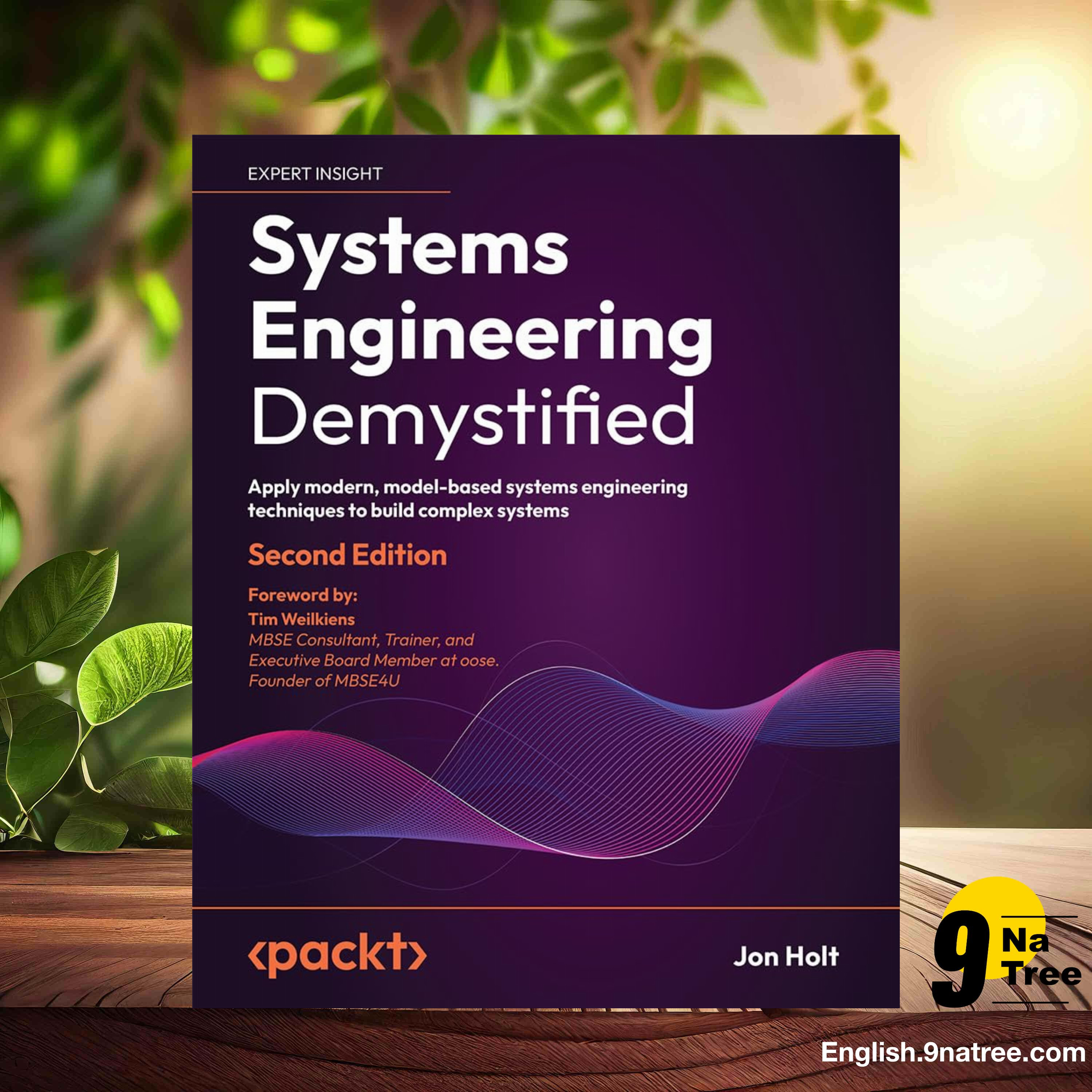
[Review] Systems Engineering Demystified, Second Edition (Jon Holt) Summarized.
0:00Duration unknown
transcript
show notes
Systems Engineering Demystified, Second Edition (Jon Holt)
- Buy on Amazon Books:
https://www.amazon.com/dp/B0BSV5PBRF?tag=9natree-20
- Buy on Apple Books:
https://books.apple.com/us/audiobook/thermodynamics-for-dummies-2nd-edition/id1818454584?itsct=books_box_link&itscg=30200&ls=1&at=1001l3bAw&ct=9natree
- Sponsor and Support us:
https://9natree.com/page/sponsor-and-support.html
- Interesting Topics:
- Systems engineering as a response to interconnected complexity
- Model-Based Systems Engineering as a shared source of engineering meaning
- Visualization turns system relationships into material for review and analysis
- Verification and validation must be planned alongside system definition
- Implementing MBSE requires coordinated people, processes, and tools
- Read more: https://english.9natree.com/read/B0BSV5PBRF/
Systems Engineering Demystified, Second Edition is a technical practitioner guide by Jon Holt that explains how systems engineering can be used to develop and manage complex systems through a model-based approach. Positioned between an introductory text and a working reference, it begins with the fundamental purpose of systems engineering and progresses toward the practical concerns of applying Model-Based Systems Engineering, commonly abbreviated as MBSE. Its subject is not a single engineering discipline or product type, but the coordinated definition, design, analysis, verification, validation, and delivery of systems whose behavior emerges from many interconnected parts. Holt emphasizes models as shared representations that can improve communication and provide a more coherent basis for engineering decisions than disconnected documents alone. The second edition addresses the organizational as well as technical challenge of putting model-based practices into use. With explanations, examples, chapter summaries, self-assessment exercises, and references, the book is designed to help readers understand both why systems engineering is necessary and how model-centered work can support it.