9Natree · Today
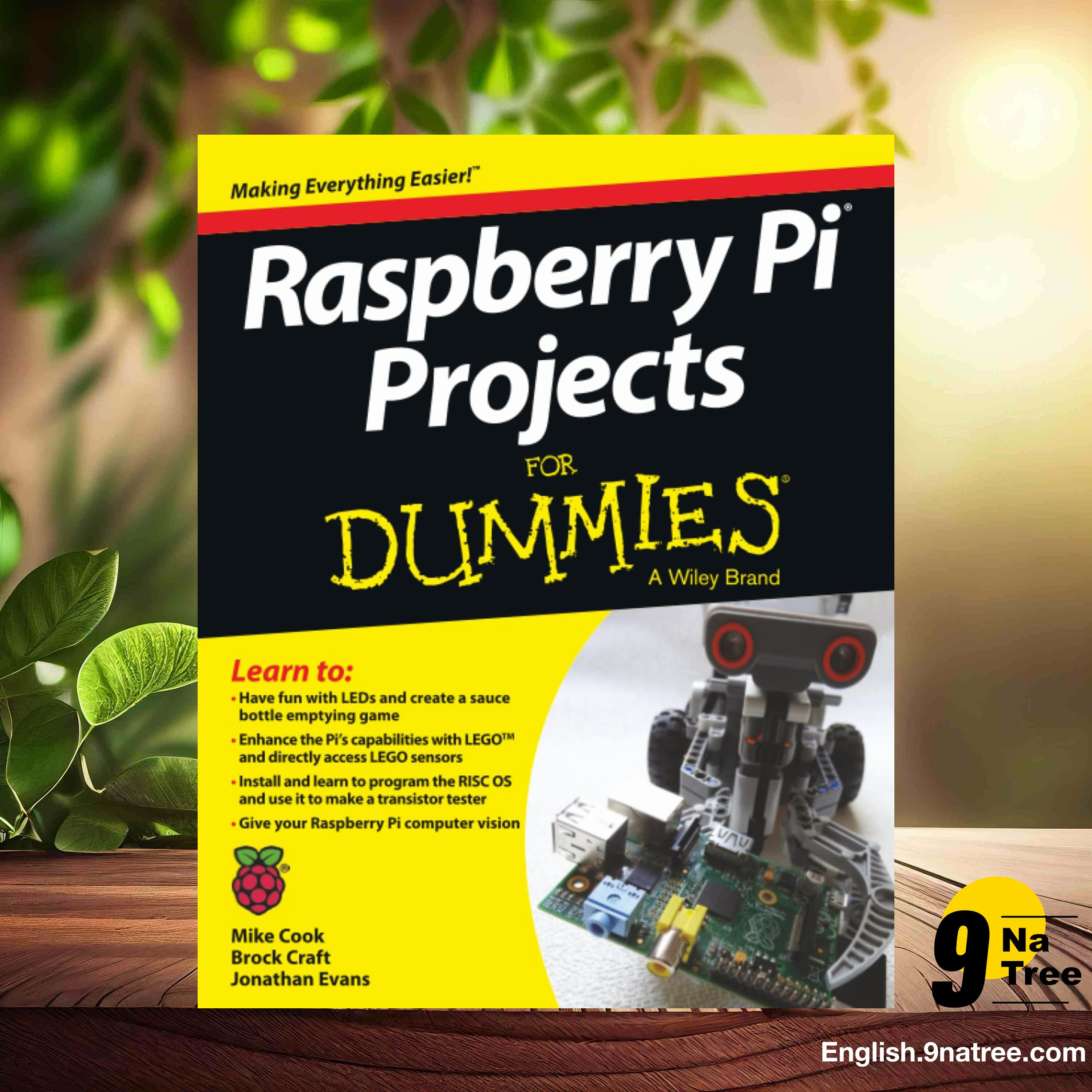
[Review] Raspberry Pi Projects For Dummies (Mike Cook) Summarized.
0:00Duration unknown
transcript
show notes
Raspberry Pi Projects For Dummies (Mike Cook)
- Buy on Amazon Books:
https://www.amazon.com/dp/1118766695?tag=9natree-20
- Buy on Apple Books:
https://books.apple.com/us/audiobook/electronics-all-in-one-for-dummies-3rd-edition/id1647617696?itsct=books_box_link&itscg=30200&ls=1&at=1001l3bAw&ct=9natree
- Sponsor and Support us:
https://9natree.com/page/sponsor-and-support.html
- Interesting Topics:
- A Project-Based Route from Raspberry Pi Setup to Physical Computing
- GPIO as the Link Between Software and Real Electronic Signals
- Sensors and Actuators Turn the Pi into a Responsive Device
- Circuit Construction Requires Attention to Limits, Power, and Interfaces
- Debugging Combines Program Logic with Hands-On Fault Finding
- Read more: https://english.9natree.com/read/1118766695/
Raspberry Pi Projects For Dummies by Mike Cook is a practical electronics and physical-computing guide built around the original Raspberry Pi generation. Rather than treating the board primarily as a small desktop computer, the book emphasizes its role as a programmable controller that can read inputs, drive outputs, and support experimental hardware. Its project-based format is intended to move readers from basic familiarity with the Raspberry Pi toward constructing working devices with software, circuits, and readily available components. Cook draws on his background in electronics writing to explain the connection between code and electrical behavior, especially the use of the Raspberry Pi general-purpose input and output interface. The book belongs to the accessible For Dummies technical series, so its purpose is instructional rather than theoretical: readers are encouraged to assemble, test, modify, and troubleshoot projects. Because it was published for early Raspberry Pi hardware and software, some setup details are historically dated, but its central lessons about interfacing digital computing with sensors, switches, lights, motors, and simple displays remain useful.