9Natree · November 11
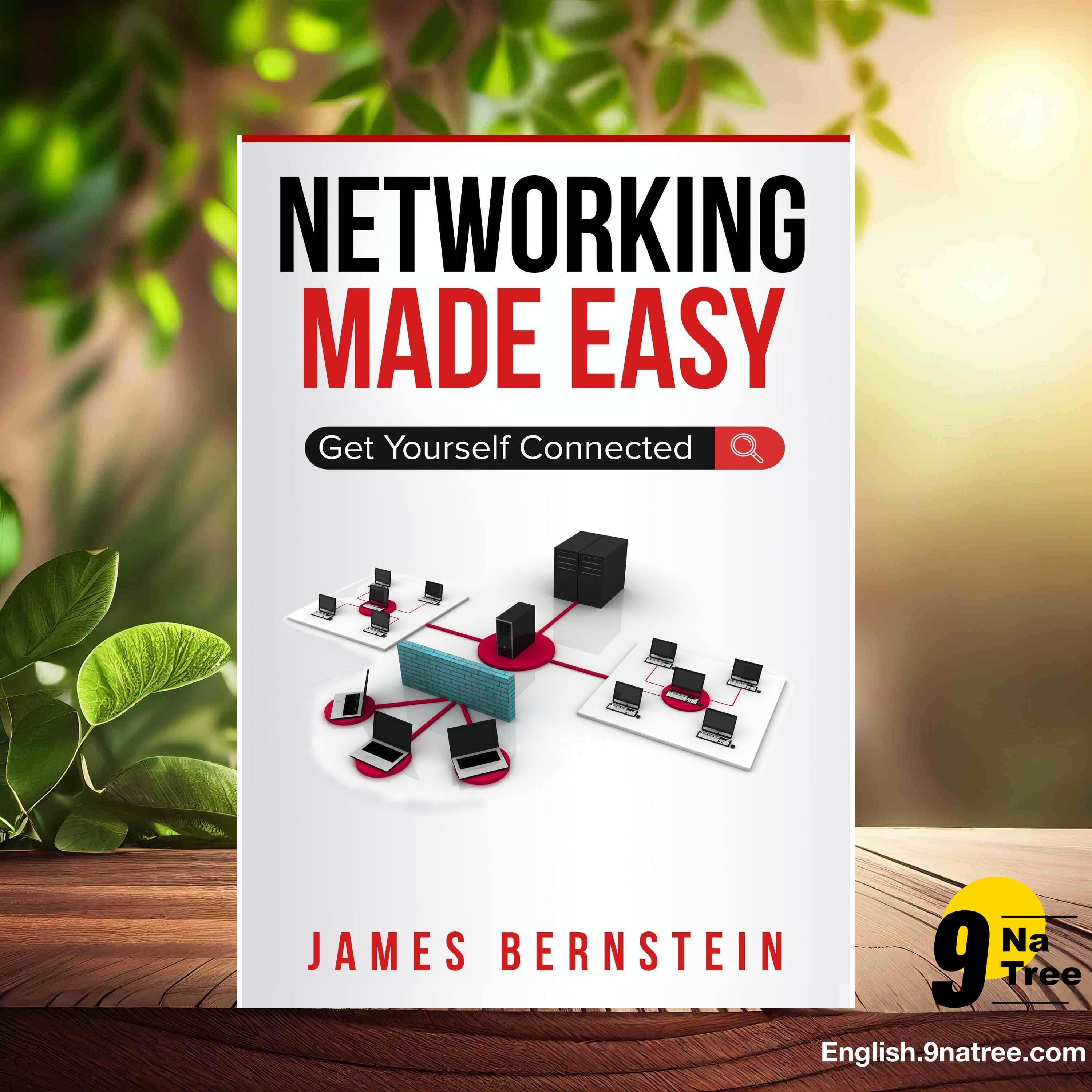
[Review] Networking Made Easy: Get Yourself Connected (James Bernstein) Summarized.
0:00Duration unknown
transcript
show notes
Networking Made Easy: Get Yourself Connected (James Bernstein)
- Buy on Amazon Books:
https://www.amazon.com/dp/B0D2B4H84P?tag=9natree-20
- Buy on Apple Books:
https://books.apple.com/us/audiobook/networking-learn-how-to-influence-others-and-boost/id1310693758?itsct=books_box_link&itscg=30200&ls=1&at=1001l3bAw&ct=9natree
- Sponsor and Support us:
https://9natree.com/page/sponsor-and-support.html
- Interesting Topics:
- A Layered Learning Path from Physical Connections to Network Services
- Hardware, Cabling, and Wireless as Distinct Parts of Connectivity
- IP Addressing and Protocols Explain How Devices Find and Understand One Another
- The Internet, Windows Networking, Virtualization, and Cloud Computing Extend the Local Network Model
- Troubleshooting Turns Foundational Knowledge into a Repeatable Diagnostic Method
- Read more: https://english.9natree.com/read/B0D2B4H84P/
Networking Made Easy: Get Yourself Connected is a concise introductory technology guide by James Bernstein, an IT practitioner whose background includes Windows servers, storage, virtualization, DNS, DHCP, and network administration. Positioned between a casual overview and a certification manual, the book explains the components and operating principles of modern computer networks in a structured sequence. Its coverage moves from the basic definition of a network through hardware, cabling, wireless connectivity, IP addressing, protocols, the Internet, Windows networking, virtualization, cloud computing, and troubleshooting. The organizing purpose is practical literacy: readers should be able to connect the equipment and terminology they encounter at home or at work with an understandable model of how data travels and services are delivered. Rather than concentrating on vendor-specific configuration or advanced exam objectives, Bernstein emphasizes foundational relationships among physical infrastructure, addressing, communication rules, and common network services. Updated editions have presented the material as current introductory reference content for modern wired, wireless, virtual, and cloud-connected environments.