9Natree · Today
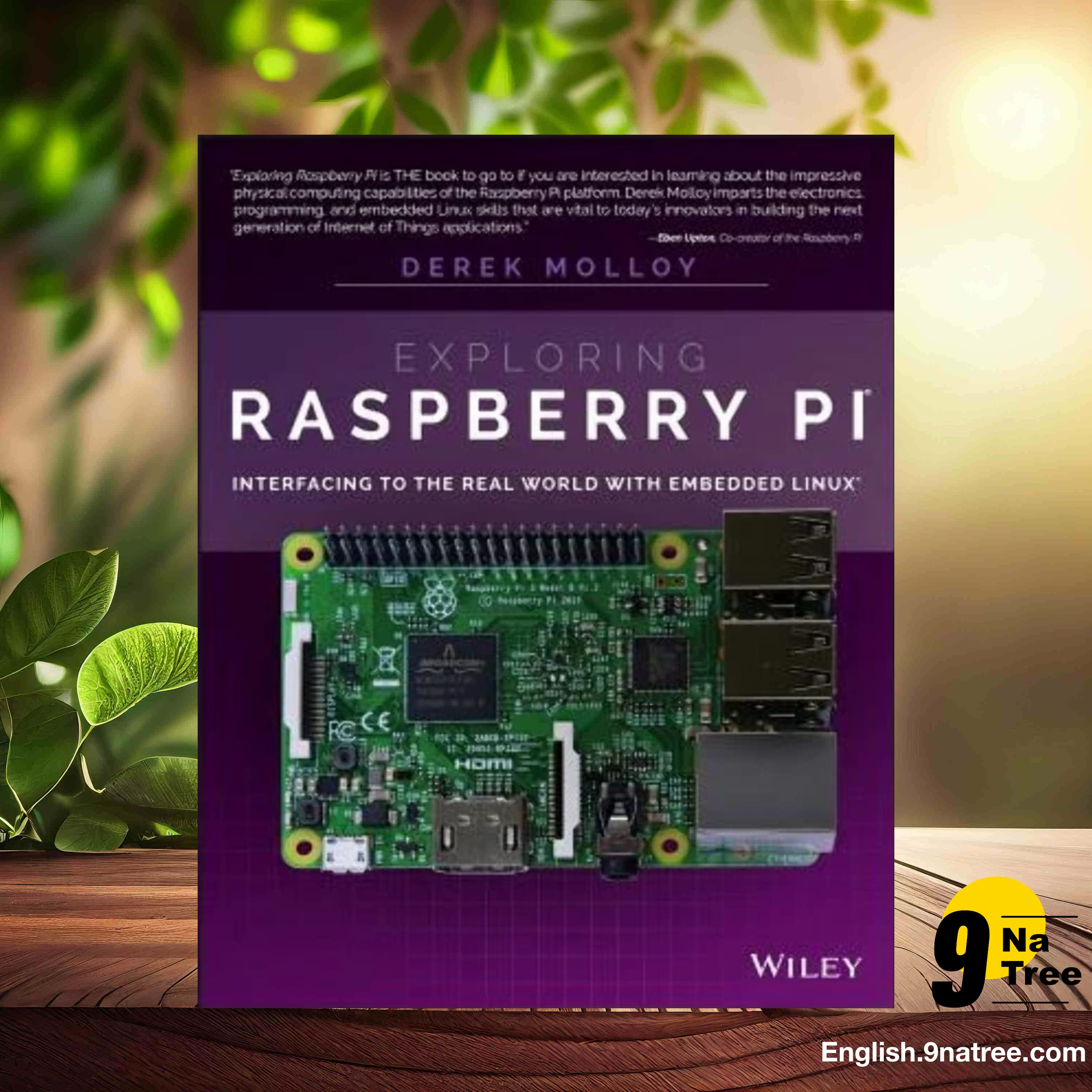
[Review] Exploring Raspberry Pi (Derek Molloy) Summarized.
0:00Duration unknown
transcript
show notes
Exploring Raspberry Pi (Derek Molloy)
- Buy on Amazon Books:
https://www.amazon.com/dp/1119188687?tag=9natree-20
- Buy on Apple Books:
https://books.apple.com/us/audiobook/raspberry-pi-3-beginner-to-pro-step-by-step-guide-unabridged/id1170226001?itsct=books_box_link&itscg=30200&ls=1&at=1001l3bAw&ct=9natree
- Sponsor and Support us:
https://9natree.com/page/sponsor-and-support.html
- Interesting Topics:
- An Engineering Framework Instead of Isolated Raspberry Pi Recipes
- Linux and Programming as the Foundation for Reliable Hardware Work
- GPIO, Buses, UART, and USB as Complementary Interface Choices
- Cross Compilation and Kernel Knowledge for Larger Embedded Systems
- Advanced Interaction Through Networking, Interfaces, and Multimedia
- Read more: https://english.9natree.com/read/1119188687/
Exploring Raspberry Pi: Interfacing to the Real World with Embedded Linux is a technical guide by Derek Molloy, published by Wiley in 2016. Its subject is not merely operating a Raspberry Pi as a small desktop computer, but using it as an embedded Linux platform that senses, controls, and communicates with the physical world. The book combines software development, Linux system knowledge, electronics interfacing, and practical engineering workflow. It begins with the hardware platform, recommended equipment, Linux, and programming foundations before moving into GPIO control, communication buses, UART devices, USB peripherals, and more advanced connected applications. Molloy frames the material around transferable principles rather than isolated project recipes. That positioning matters because hardware platforms and libraries change, while the need to interpret signals, select interfaces, structure software, and diagnose system behavior remains. Supported by a companion site and source-code repository, the book aims to help readers move from assembling demonstrations to understanding how embedded hardware and software operate together.